

Nazeelnet Saudi Guides — Informational Resource
Navigating the Landscapes of the Arabian Peninsula
A dedicated space for the thoughtful traveller into Saudi Arabia seeking to understand the environment, climate, and social fabric of the region. We focus on preparation and environmental awareness — no transactions, no commercial influence, just grounded guidance for your journey.
Starting Points
Entry Guides
Swipe to explore key topics for your journey
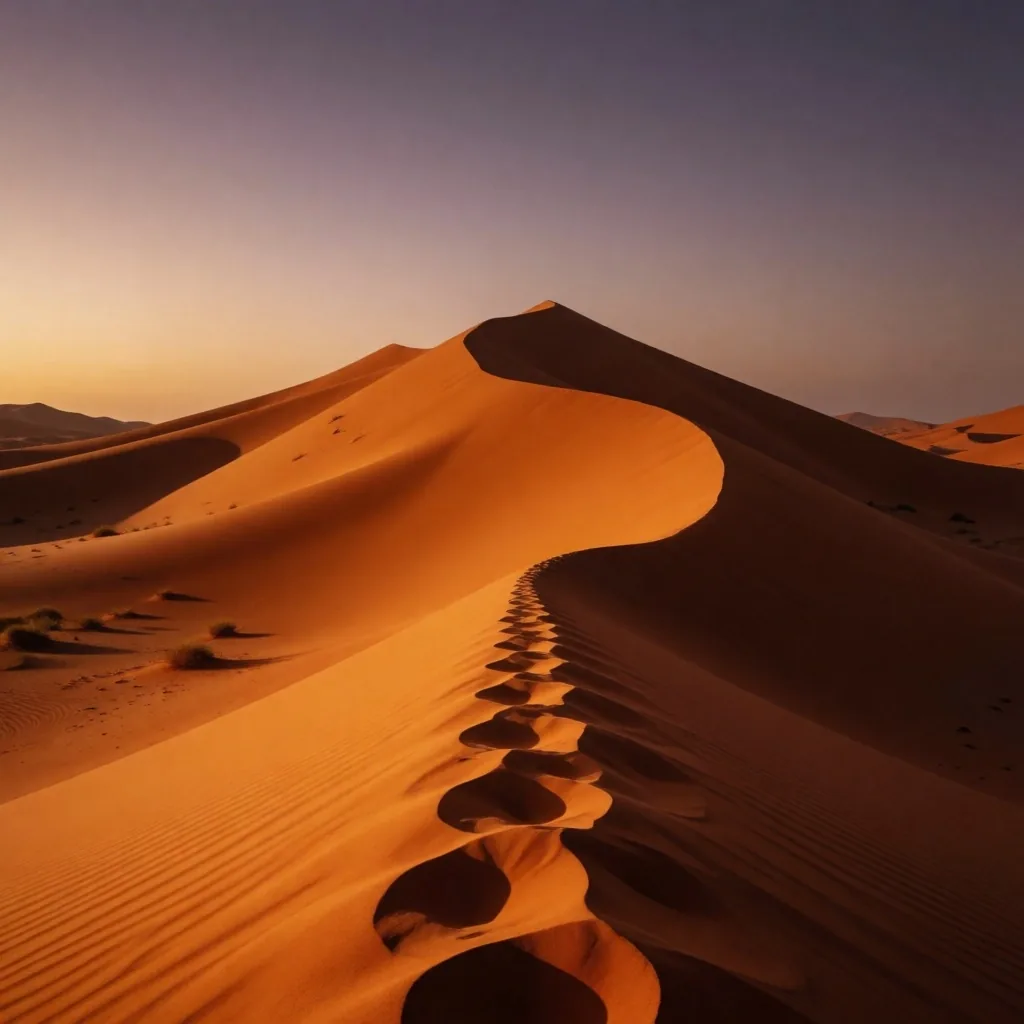
Guide 01
Understanding the Regional Climate
Temperature shifts, humidity patterns, and how daily life adapts to the heat.
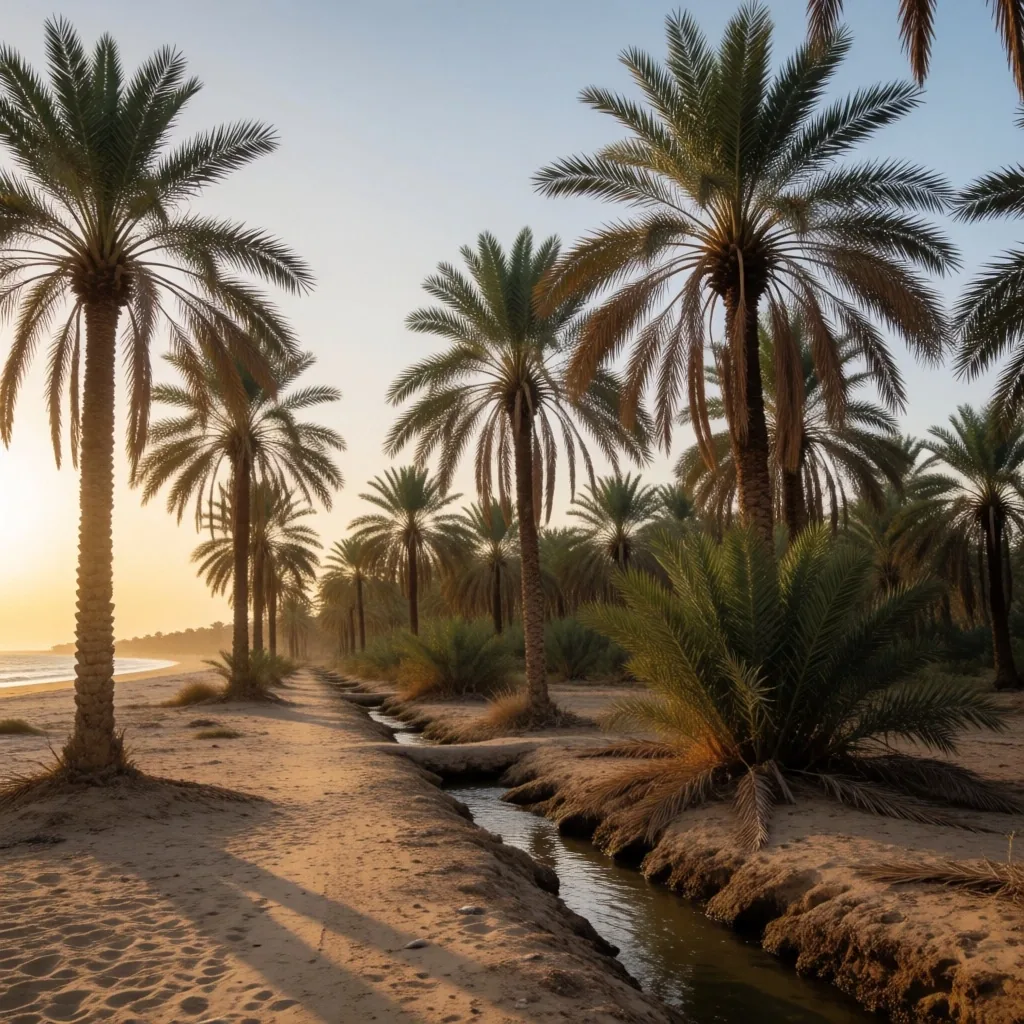
Guide 02
The Role of Coastal Flora
Palm groves, shade, water management, and traditional coastal agriculture.
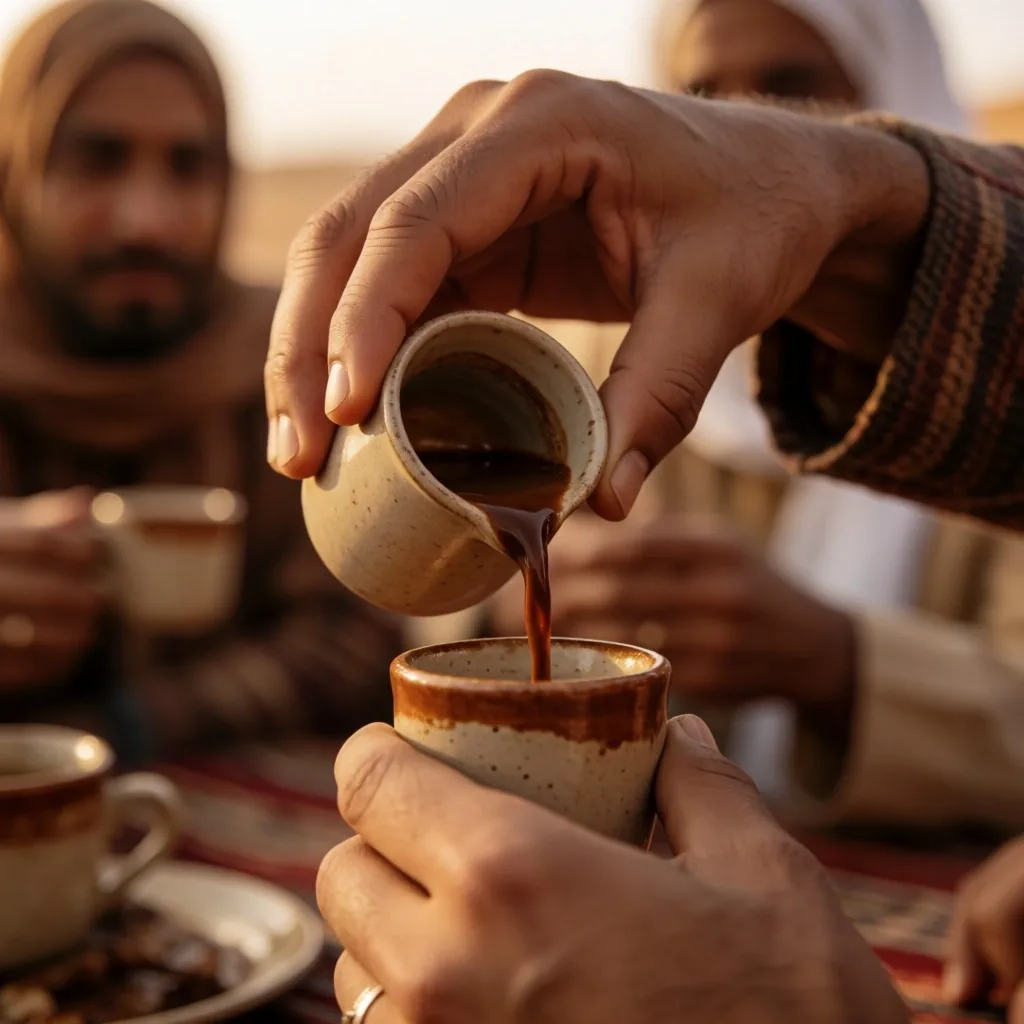
Guide 03
Social Traditions and Gatherings
Hospitality etiquette, shared tea, and the values of community and generosity.

Guide 04
Logistics and Movement
Vast distances, fuel and water planning, service hours, and rural crossings.
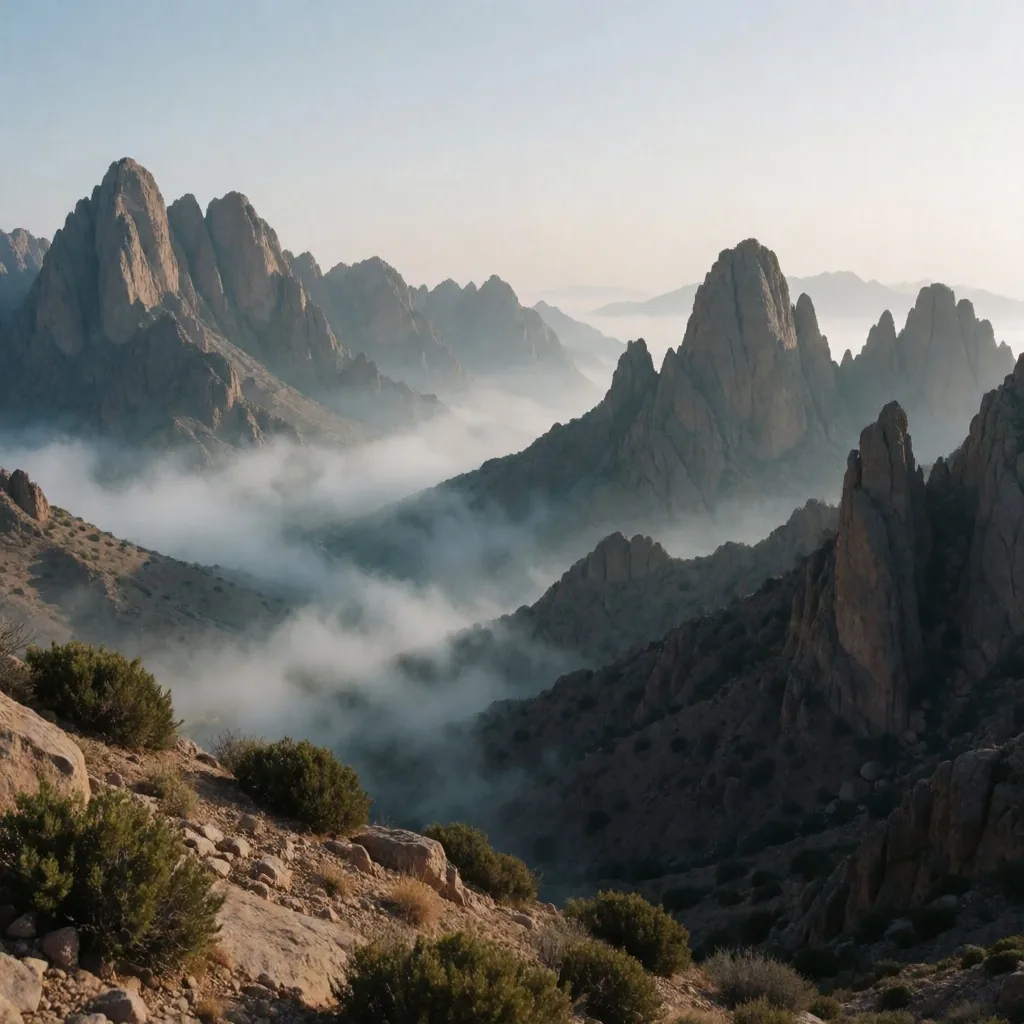
Guide 05
Environmental Diversity Beyond the Sands
Mountain ranges, coastal plains, and high-altitude terrain that surprise newcomers.
Orientation
Reading the Region
The weather in this part of the world is a primary factor in how daily life is organized. Travelers will encounter significant temperature shifts between day and night, especially in the vast interior regions where the sand cools rapidly after sunset. Understanding these thermal patterns is essential for planning your daily schedule and selecting appropriate attire.
Coastal areas offer a different experience with higher humidity levels that can influence physical comfort during outdoor walks. A SA travel guide that ignores these basics leaves you underprepared for the rhythm of life here.
Key Thermal Patterns
- → Interior regions: rapid cooling after sunset — pack layers even on warm days.
- → Coastal zones: sustained humidity that affects outdoor comfort and walking distance.
- → Peak afternoon: most public activity shifts indoors or to shaded areas.
- → Evening hours: public life resumes as temperatures drop — plan accordingly.
Navigating Large Urban Centers
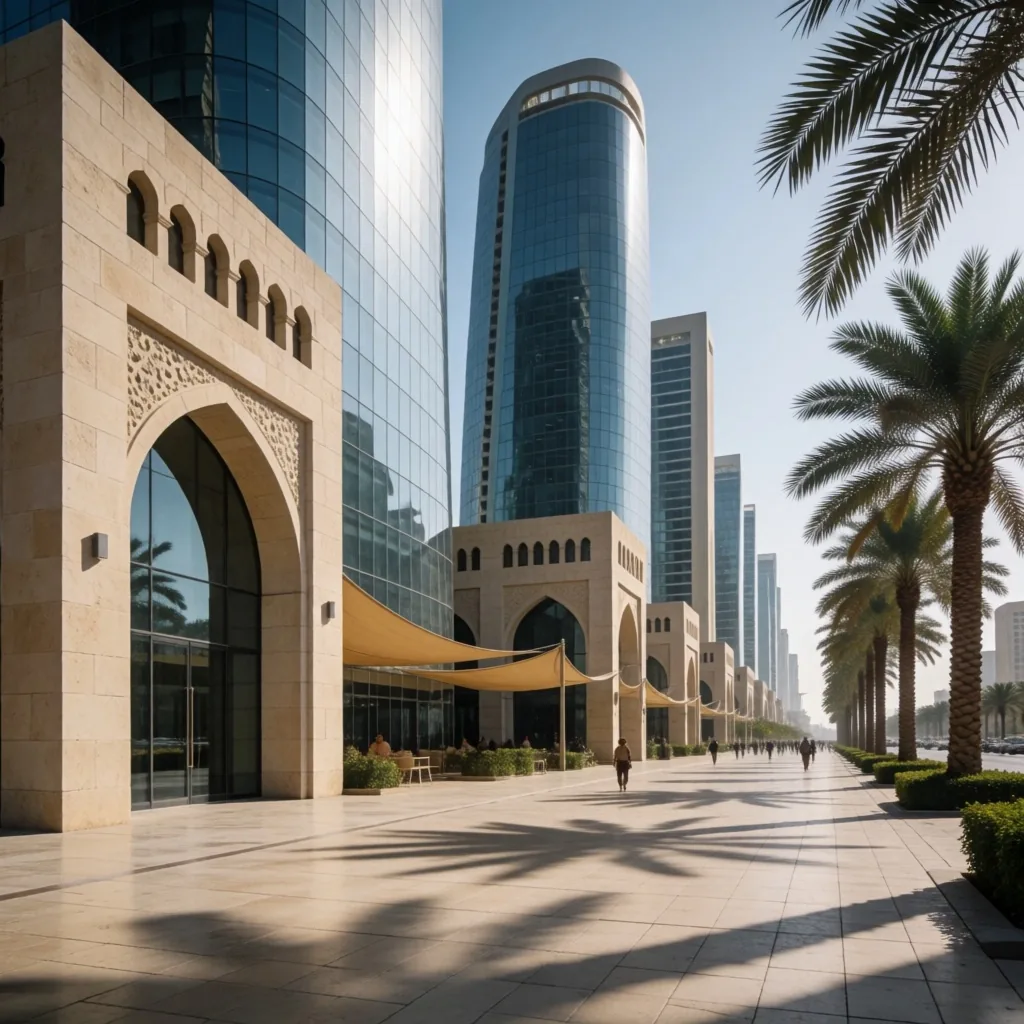
Cities in the region are designed to accommodate both intense heat and modern logistical needs. Road systems are expansive, and much of the social activity moves indoors or to shaded areas during the peak afternoon sun. A traveller into Saudi Arabia should observe how locals utilize these spaces, often starting their public engagements later in the evening when the temperature drops.
This shift in timing is a fundamental part of the regional lifestyle that newcomers should adopt for a smoother experience. Shops, gathering spaces, and walkways follow a cadence that mirrors the sun rather than fighting it.
Chapter Two
The Role of Coastal Flora
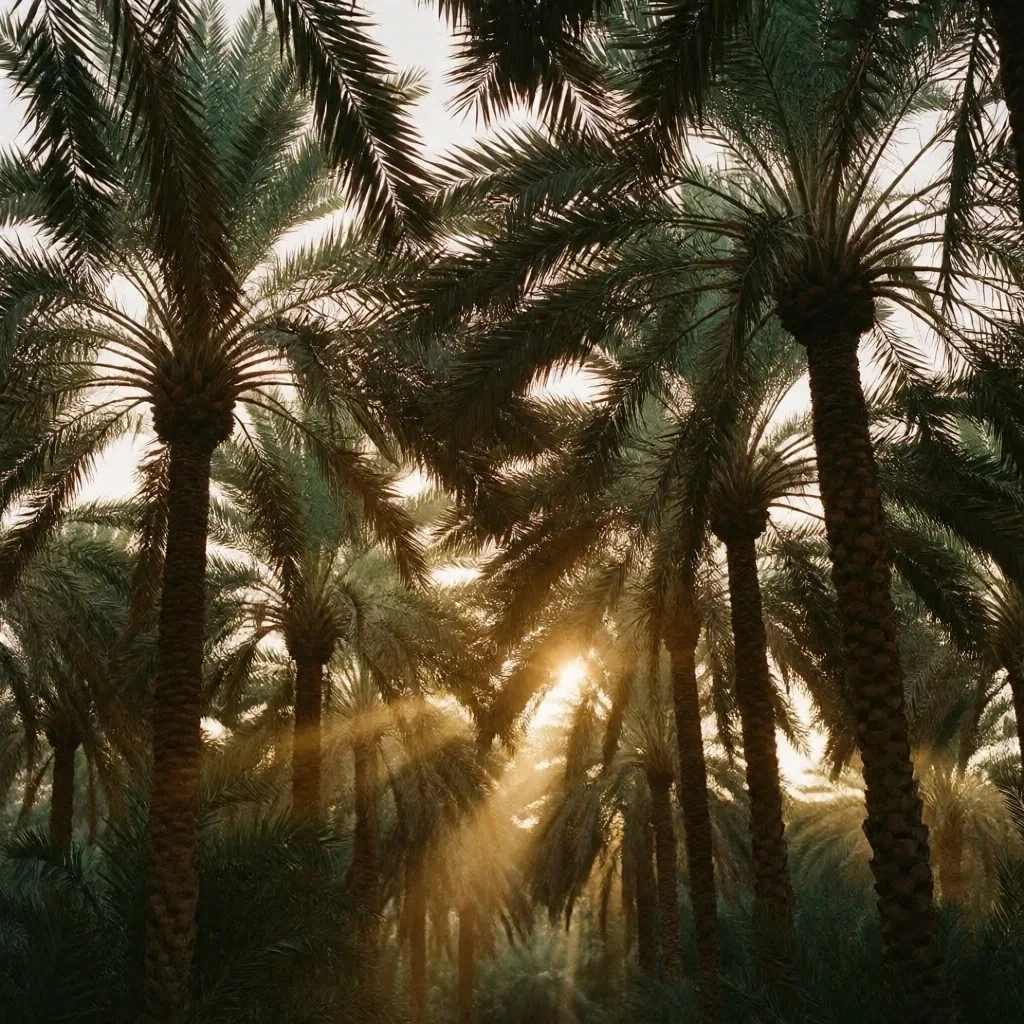
In coastal regions and managed green spaces, palm trees serve as more than just a visual element; they are vital components of the ecosystem and local agriculture. These trees provide necessary shade and have historically supported the livelihoods of coastal communities.
Observing these groves offers insight into how water management and traditional farming have shaped the greenery seen today. Many visitors find that the presence of these palms creates a calming atmosphere that defines the coastal architectural style.
What to Observe
- ◆ Shade patterns — how groves create natural cooling zones for nearby structures.
- ◆ Irrigation channels — traditional water management still visible in managed groves.
- ◆ Coastal architecture — building orientation and shade structures echo the palm canopy.
Geography
Beyond the Sands
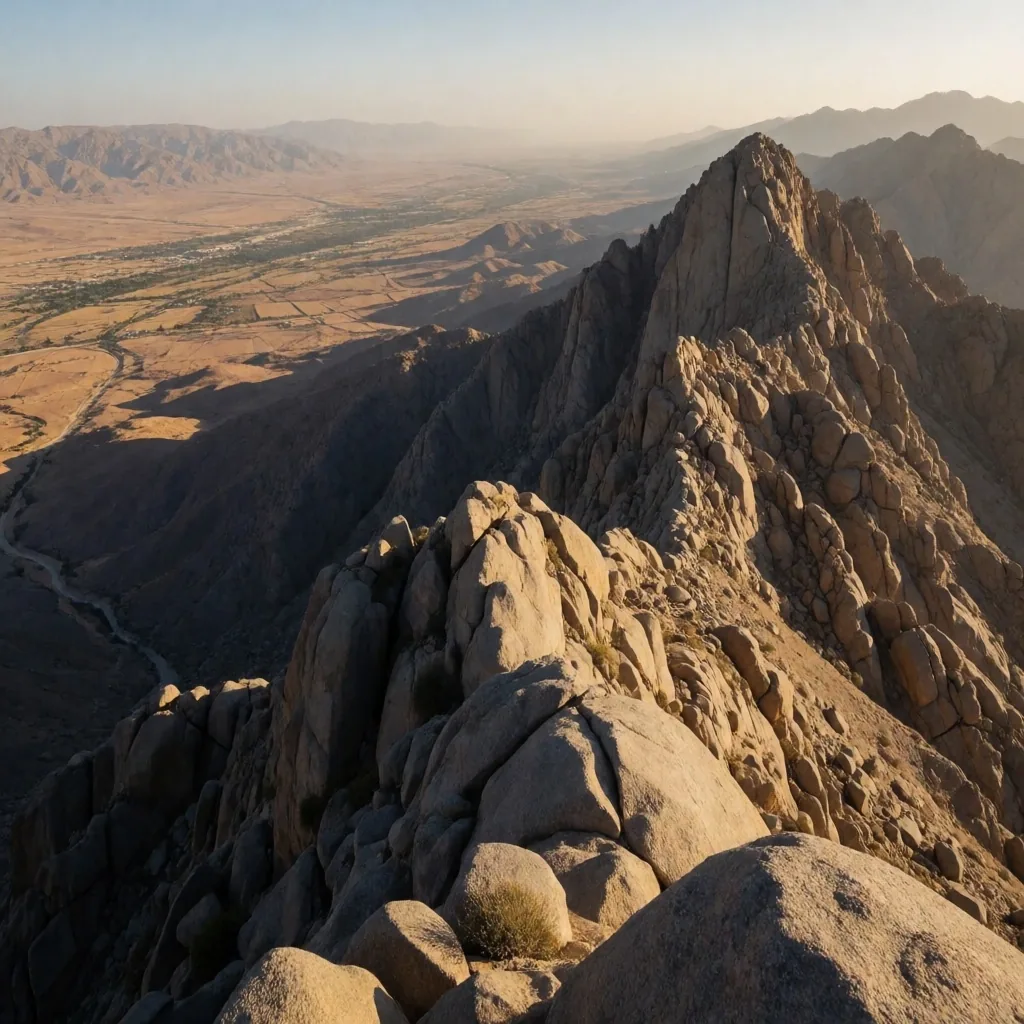
While the image of endless dunes is common, the geography actually includes significant mountain ranges and coastal plains. These areas host different types of vegetation and require different levels of physical preparation.
High-altitude regions can be surprisingly chilly, necessitating layers even when the valleys are warm. Exploring these varied terrains allows for a broader perspective on the natural beauty available to those who venture away from the main transit hubs.
A well-rounded travel guide for this region should account for elevation changes as much as for temperature. The same day can take you from sun-baked lowlands to cool, wind-swept ridgelines within a few hours of driving.
Design Response
Architectural Harmony with Nature
Modern architecture in the region often incorporates traditional cooling methods to combat the heat. From the use of specific stone materials to the orientation of buildings for wind flow, the structures are a response to the environment.
Observing these details helps a traveller into Saudi Arabia appreciate how the built environment works with, rather than against, the natural climate. Many residential and public areas are designed to provide pockets of cool air through deliberate shading.
After Dark
Nightlife and the Lunar Cycle
Because of the daytime heat, the night becomes the most active time for many communities. Public parks and walkways often come alive after 9 PM, with families and friends gathering under the moonlight.
The lunar calendar also plays a significant role in determining the timing of local festivals and social periods. A traveler who pays attention to the moon phases will have a better grasp of the local cultural rhythm.
Planning Framework
Timing and Resources
Seasonal Variations in Travel
Winter
Mild weather suitable for long outdoor excursions. The most forgiving season for extended walking and nature observation.
Spring
A middle ground with blooming desert plants and manageable afternoon temperatures ideal for nature observation.
Summer
Demands a more sedentary and indoor-focused approach. Plan around early mornings and late evenings only.
Autumn
Another transitional window with comfortable temperatures and good conditions for exploring varied terrain.
Our guides emphasize the importance of timing your trip to align with your personal tolerance for heat. The same location can feel like two different places depending on the month.
Water Resources and Conservation
Water is a precious resource in this arid environment, and its management is a feat of engineering and tradition. From ancient wells to modern desalination efforts, the story of water is central to the region's development.
Visitors are encouraged to be mindful of their water usage as a sign of respect for the local environmental constraints. Understanding where water comes from helps ground the travel experience in the reality of the landscape.
Practical Awareness
- 01 Carry sufficient water for rural stretches — service stations can be far apart.
- 02 Use water sparingly in accommodations; the supply chain is energy-intensive.
- 03 Recognize that green spaces in urban areas are engineered achievements, not natural features.
- 04 Plan hydration around activity level — heat stress can build quickly in interior regions.
Resilience
Preparing for the Unexpected
Travel in any large country involves a degree of unpredictability, from sudden weather changes to shifts in local schedules. We advise maintaining a flexible itinerary that allows for adjustments based on current conditions.
Carrying extra supplies and having a basic understanding of the local geography can prevent minor issues from becoming major inconveniences. This proactive approach is the hallmark of a well-prepared visitor.
Carry
- Extra water beyond daily need
- Layered clothing for temperature drops
- Physical map as backup
- Basic first-aid supplies
Plan For
- Flexible timing each day
- Afternoon service closures
- Longer travel distances than expected
- Limited connectivity in rural areas
Our Role
The Informational Mission of Nazeelnet
Nazeelnet functions as an independent resource for those seeking a deeper understanding of the region without commercial influence. We prioritize factual descriptions of the environment and social norms to ensure our readers are well-informed.
Our content is designed to be a starting point for your own research and personal discovery. We do not facilitate any transactions, ensuring our focus remains entirely on educational value.
Continue Exploring
Location
G Floor, Al Wafa Tower
King Faisal Road
Ar Rakah Al Janubiyah
Al Khobar, Saudi Arabia
Contact
Phone: +966 13 814 3344
Email: [email protected]
Hours: Sun–Thu, 09:00–18:00
Living Culture
Social Fabric and Movement
Social Traditions and Gatherings
Social life often revolves around shared spaces and the tradition of hospitality. While we do not discuss commercial venues, the act of sharing tea or coffee is a widespread social practice that signifies welcome and respect. Understanding the etiquette of these interactions is a key part of any SA travel guide.
These moments provide a window into the values of generosity and community that are deeply rooted in the local culture. Accepting an offered drink, using the right hand, and taking time to sit are small gestures that carry significant meaning.
Logistics and Movement
Getting from one point to another requires an understanding of the vast distances involved. Public transport and private vehicle movement are the primary modes of travel, and planning for fuel and water stops is necessary when crossing rural stretches.
Travelers should be aware of the operational hours for various services, as many close for afternoon breaks or during specific times of the day. This cadence is a unique aspect of the regional logistical framework that can catch unprepared visitors off guard.