
Chapter 01
The Tradition of Hospitality
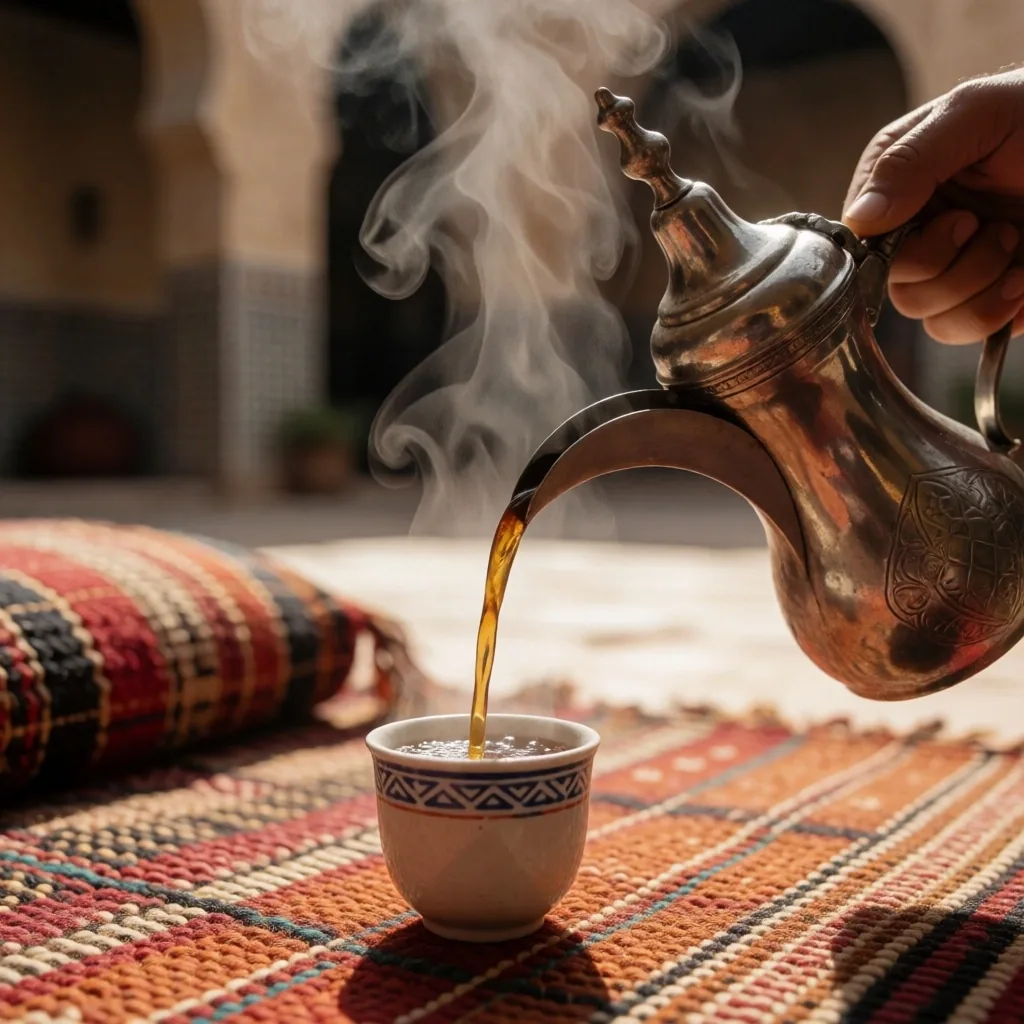
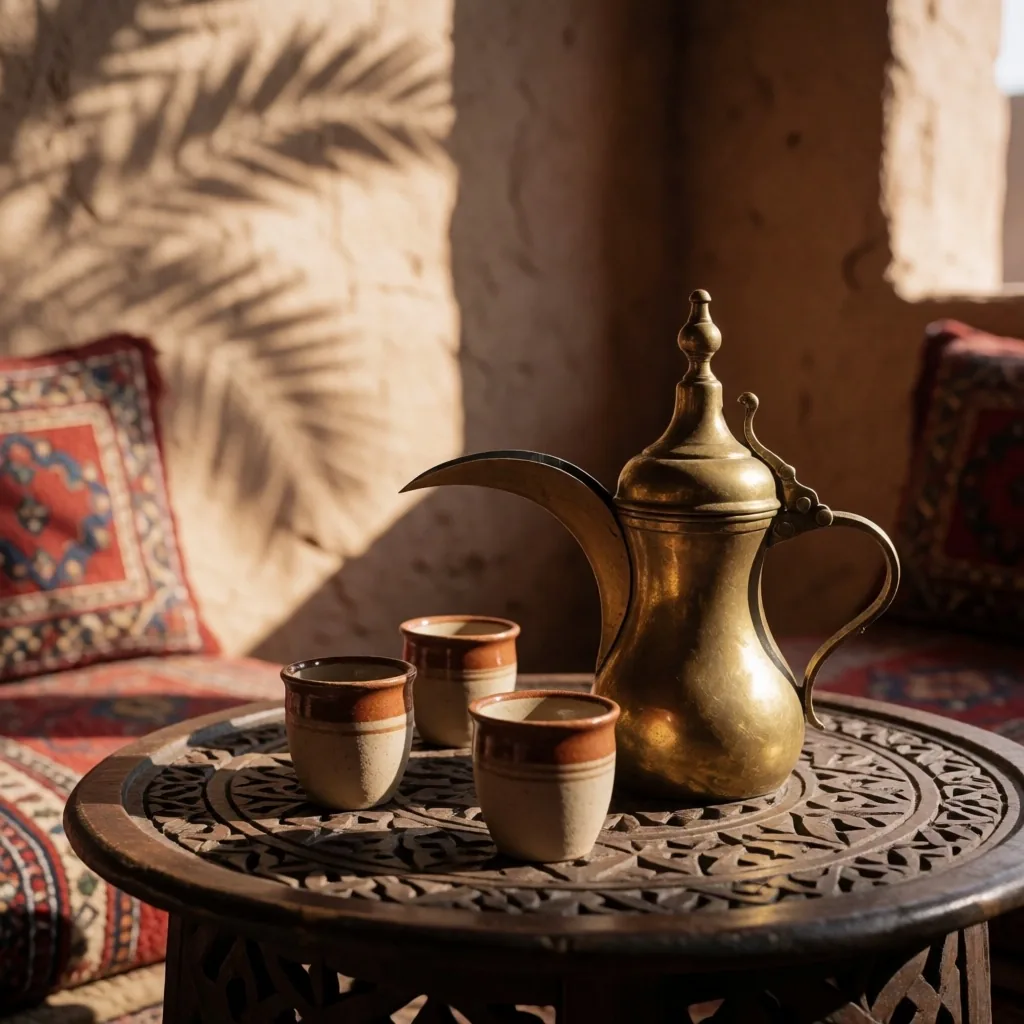
Coffee as welcome — accepting gestures builds connection.
Contact Resource Desk
G Floor, Al Wafa Tower, King Faisal Road, Al Rakah Al Janubiyah, Al Khobar, Saudi Arabia
+966 13 814 3344 [email protected]Sun–Thu: 09:00–18:00
Understanding the social fabric of a new country is the most important part of any travel experience. This SA travel guide focuses on the traditions and behavioral norms that define life in the region — helping you navigate social situations with grace and confidence.
Coffee as welcome — accepting gestures builds connection.
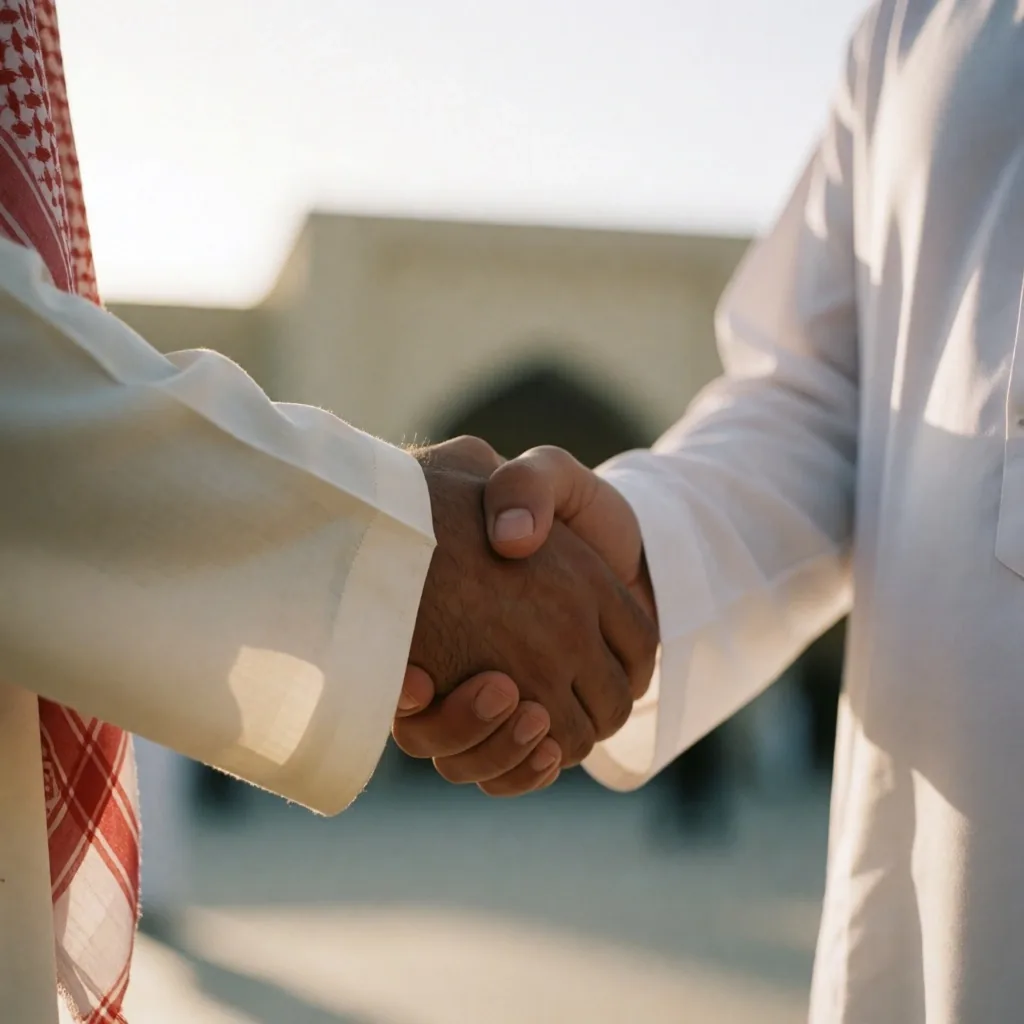
Non-verbal cues carry weight — posture, hands, and eye contact.
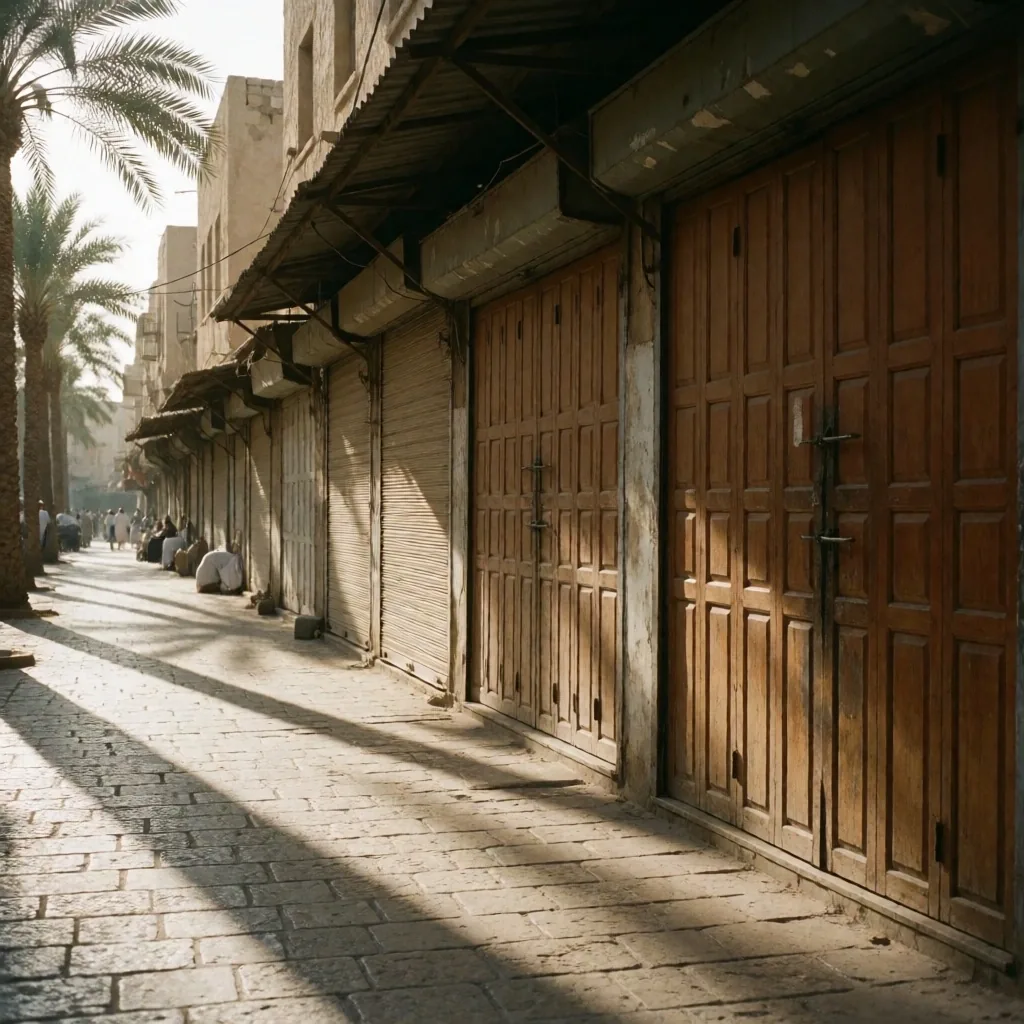
Daily life pauses five times — quiet observation and planning.
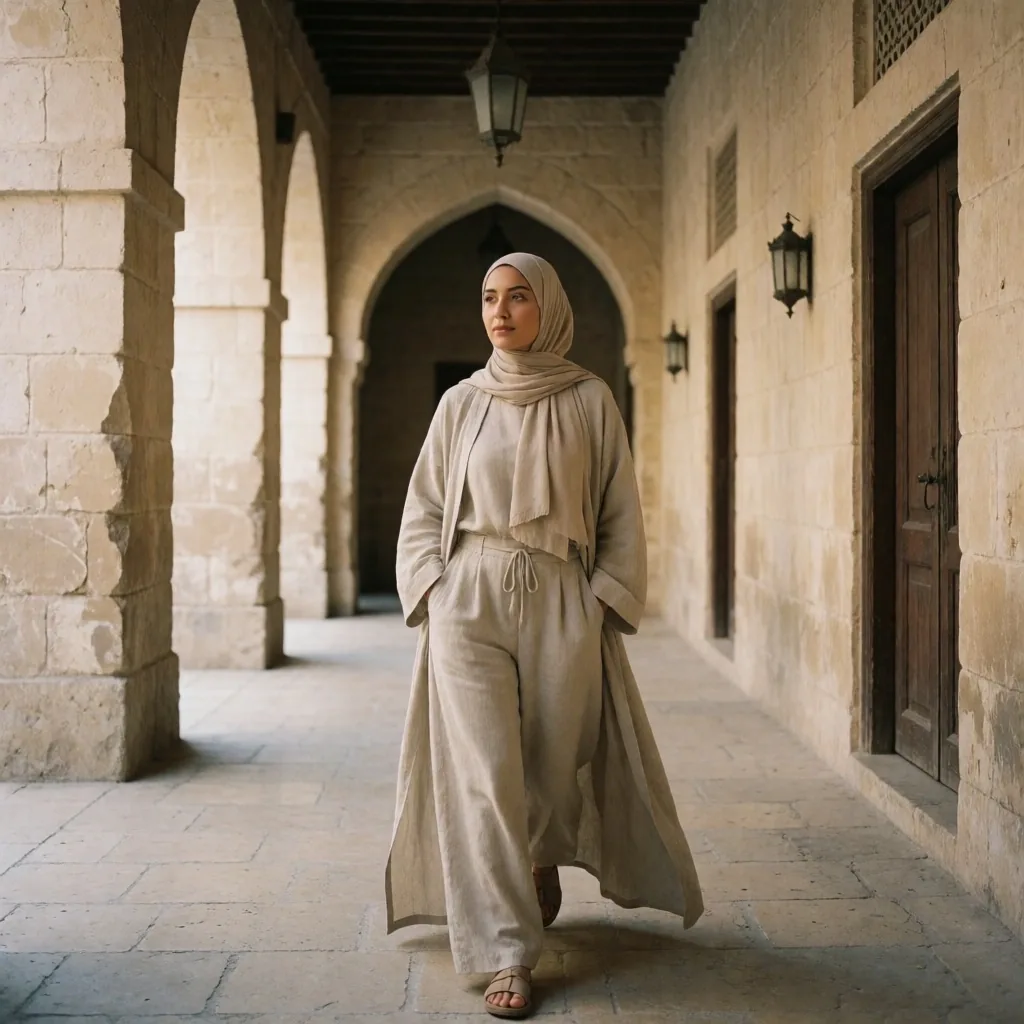
Modesty as the gold standard for public attire.
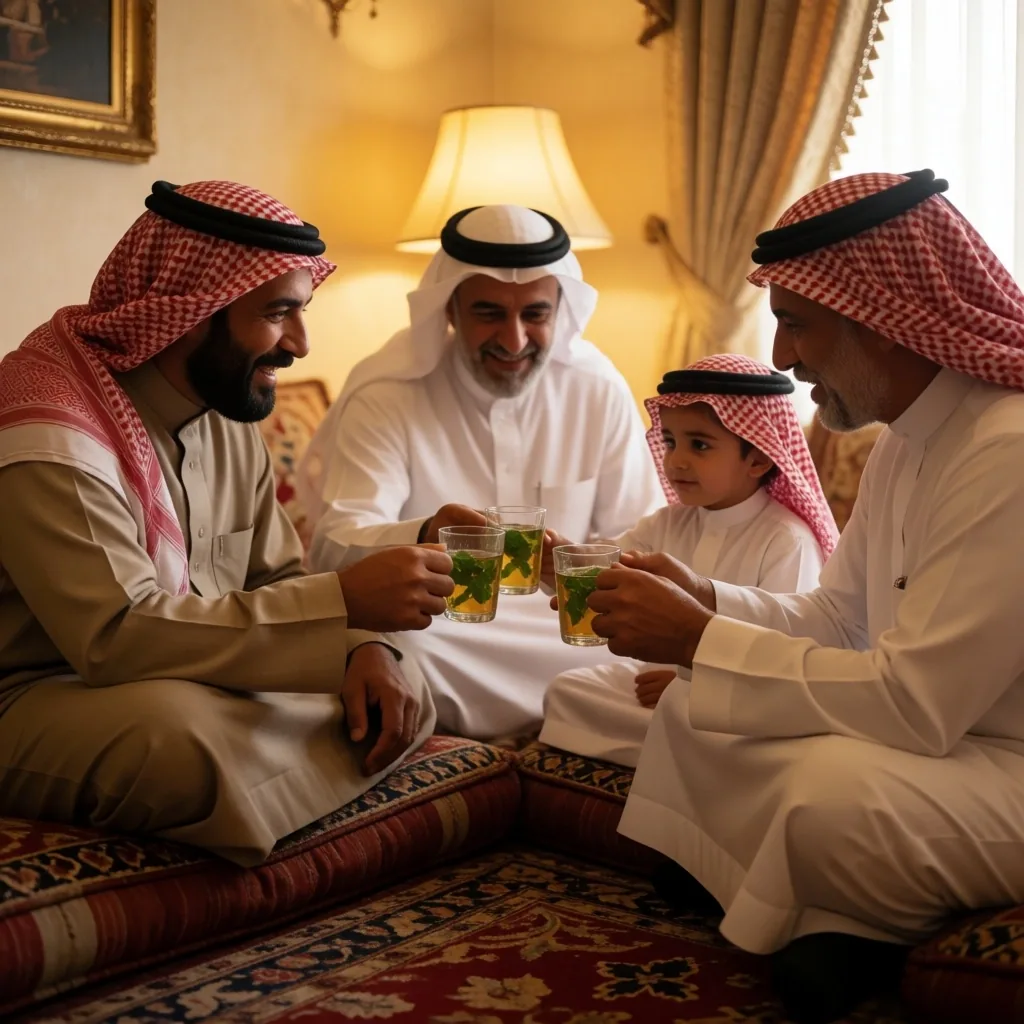
Family as the social center — respect for elders and bonds.
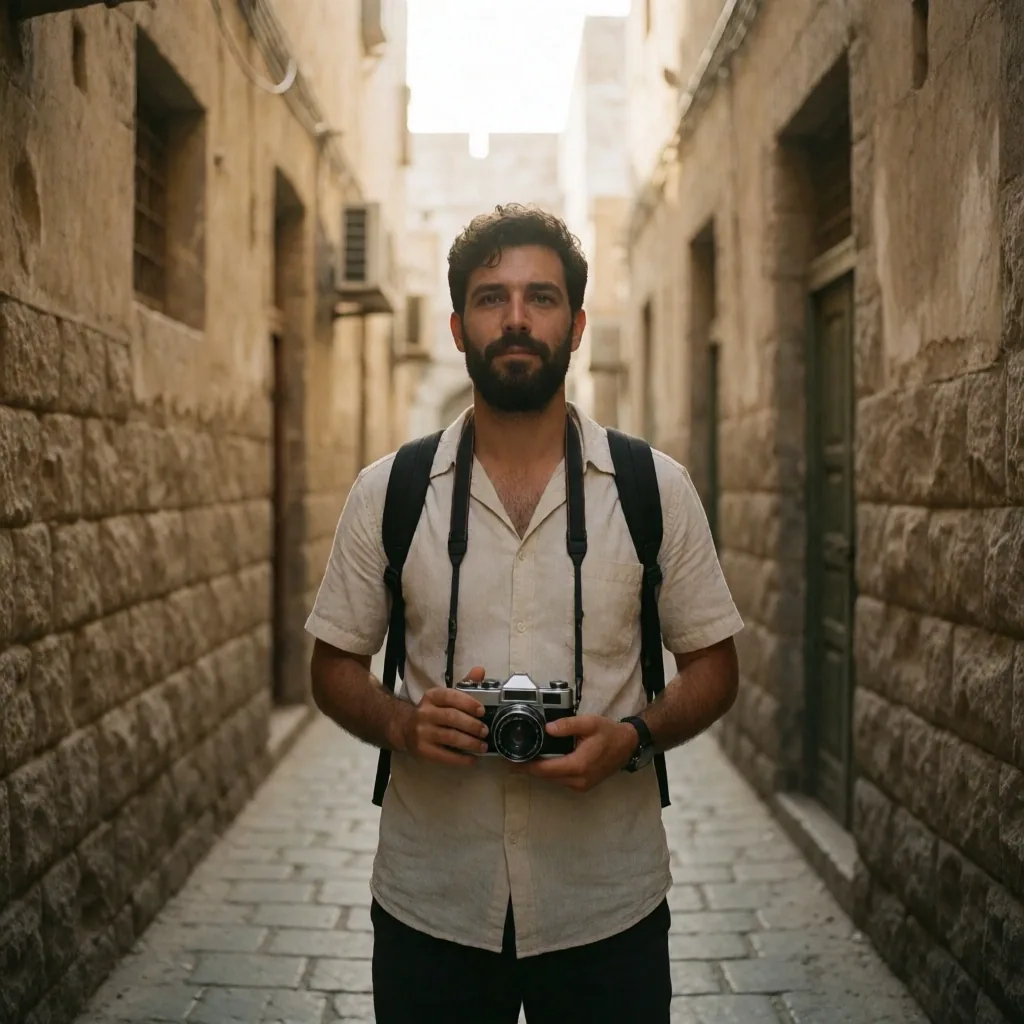
Ask first — sensitivity over speed when capturing memories.
Hospitality is not just a gesture; it is a fundamental pillar of the local culture. When you are invited for coffee or a meal, it is a sign of genuine welcome. It is customary to accept these gestures with a smile, as declining can sometimes be seen as a rejection of the host's generosity.
These interactions are often slow and deliberate, emphasizing the importance of building a connection over rushing through a conversation. For a traveller into Saudi Arabia, sitting through the full pace of a welcome — from the first pour of coffee to the final cup — shows that you value the person in front of you more than the next stop on your itinerary.
Dates and Arabic coffee are often the opening notes of this ritual. Take what is offered with your right hand, accept a second cup if encouraged, and let the host set the rhythm. Pressing too hard to leave early or checking your phone during the gathering works against the atmosphere your host is trying to build.
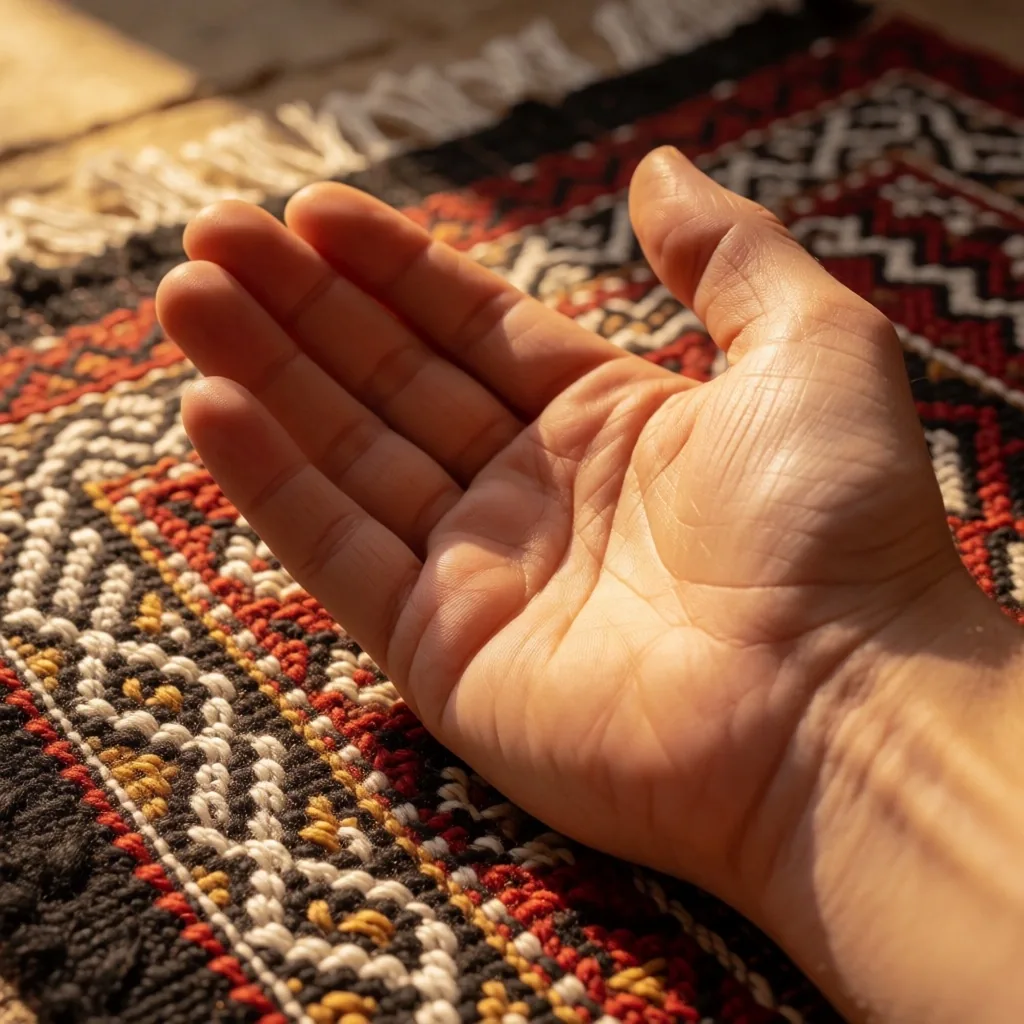
Non-verbal communication carries significant weight in regional social interactions. Maintaining eye contact is a sign of honesty, but it should be balanced with modesty in mixed-gender settings.
Using the right hand for eating and greeting is a standard practice rooted in historical traditions. Being aware of your posture and avoiding aggressive gestures will help you blend in more naturally with the local social rhythm.
Daily life is structured around the five prayer times, during which the pace of activity noticeably shifts. Many shops and services may pause briefly, and the sound of the call to prayer will fill the air. For a traveller into Saudi Arabia, these moments offer a chance to pause and observe the community's shared commitment to their faith.
It is a time for quiet and respect, and being aware of this schedule helps you plan your day more effectively. Shops typically reopen shortly after each prayer concludes, so the pause is brief and predictable once you recognize the pattern.
Lower your voice and avoid playing music in public. Wait at shop entrances until they reopen.
Most pauses last 15–30 minutes. Use the time to rest, review your route, or observe the street life at a slower pace.
The midday prayer on Friday gathers the largest crowds. Expect longer pauses near gathering areas.
Dining areas may close briefly during prayer and reopen once it concludes — seating is usually retained.

While the environment is becoming more relaxed, modesty remains the gold standard for public attire. Covering the shoulders and knees is expected in most public areas, and in more traditional neighborhoods, even more conservative dress may be appropriate.
This is not just about rules; it is about showing respect for the values of the people whose home you are visiting. Dressing appropriately often leads to more positive and welcoming interactions with locals.
Lightweight, breathable fabrics in neutral tones handle the climate well while keeping you within local expectations. Carry a light layer for unexpected moments — entering a gathering space or moving between indoor and outdoor settings.
Social norms regarding gender interactions are rooted in a deep sense of privacy and respect. In many traditional settings, men and women may have separate areas for socializing. As a visitor, it is best to follow the lead of your hosts or observe the behavior of those around you.
Being mindful of these boundaries shows that you value the local social structure and are willing to adapt to its nuances. When in doubt, wait for a host to extend a hand before offering your own, and let the setting — not your instinct — guide whether a greeting is verbal or physical.
Family is the center of the social universe in this region, and much of the public activity you see will involve multi-generational groups. Respect for elders is paramount, and it is common to see younger people deferring to their seniors in conversation and action.
Understanding this hierarchy helps a traveller into Saudi Arabia appreciate the strong community bonds that exist. Conversations about family are often a great way to build rapport with locals — asking about well-being, children, and origins opens doors that surfaced facts about weather or traffic never will.
Capturing memories is a natural part of travel, but it must be done with sensitivity. Always ask for permission before taking photos of people, particularly women and children.
Some sensitive areas, such as government buildings or private residences, should not be photographed at all. Being discreet and respectful with your camera ensures that you do not inadvertently intrude on someone's privacy or violate local norms.
Public spaces are generally characterized by a sense of decorum and relatively low noise levels. Shouting or displaying excessive public affection is considered inappropriate and can be disruptive to those around you.
By maintaining a calm and polite demeanor, you align yourself with the local expectations of public behavior. This helps in creating a harmonious environment for both visitors and residents.
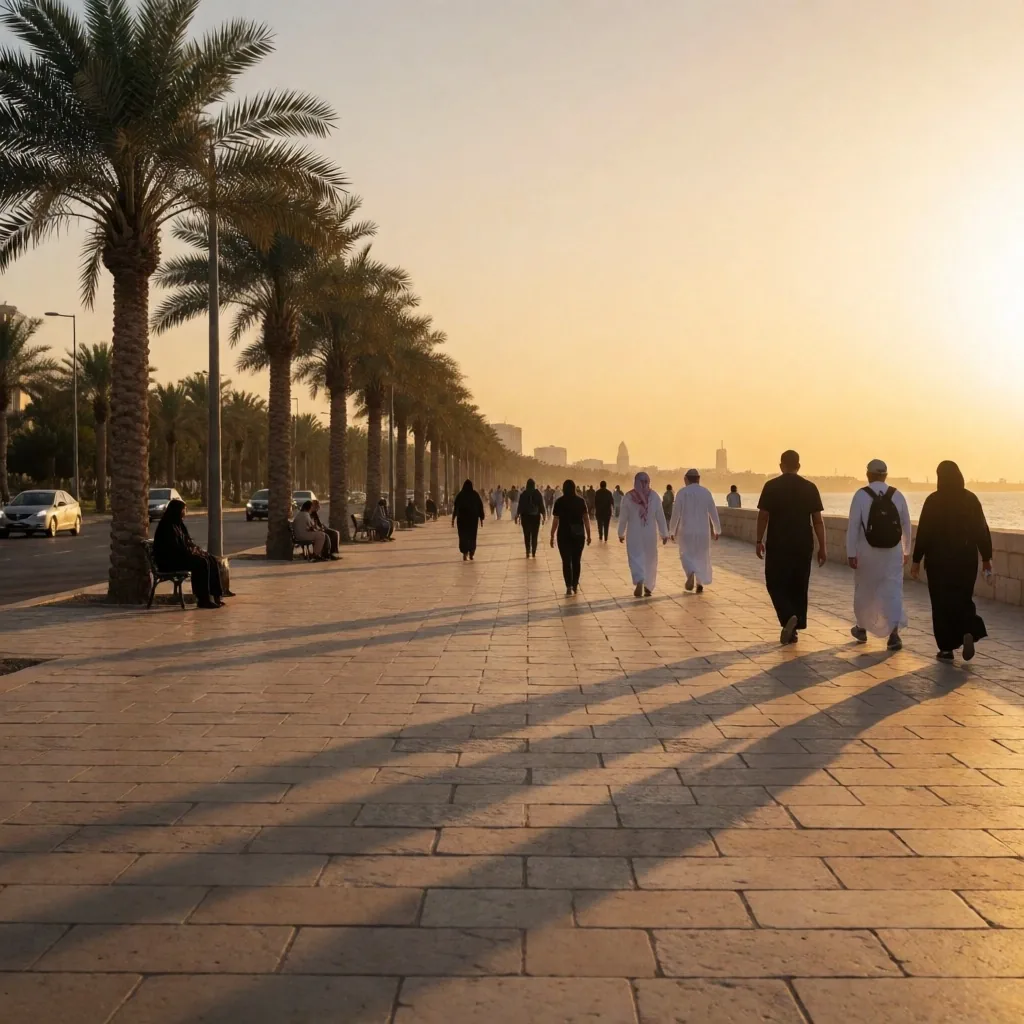
A measured tone on the phone, a relaxed pace on the walkway, and a modest distance between companions are small choices that signal you read the room correctly. The payoff is warmer service, easier conversations, and a sense that you belong in the setting rather than passing through it.
A compact summary of the eight cultural principles covered in this SA travel guide. Use it as a mental checklist before stepping into public spaces or social gatherings.
Accept coffee and food with your right hand; stay for the full pace of the gathering.
Use the right hand for eating, greeting, and receiving objects; keep gestures calm.
Lower your voice during the call; expect brief pauses at shops and dining areas.
Cover shoulders and knees; carry a light layer for more traditional neighborhoods.
Follow your host's lead on greetings and seating; observe before acting.
Defer to elders; family topics open natural rapport in conversation.
Ask before photographing people; avoid government and private property entirely.
Keep noise low, maintain modest distance, and match the calm pace of the street.
Hold the cup, take a small sip if you are comfortable, and thank your host warmly. The gesture of accepting matters more than how much you consume. You can gently explain your preference after the initial round — hosts rarely insist beyond a second cup.
The five daily prayer times shift with the sun throughout the year, so the exact clock time changes by season and latitude. The pattern — a brief pause in commercial activity during each call — is consistent. Checking a local prayer schedule in the morning helps you plan errands and meals around these natural breaks.
Yes, with care. Public streets and architectural details are generally fine, but avoid pointing your lens at people — especially women and children — without asking first. Government buildings, military areas, and marked private property should be treated as no-photography zones. When uncertain, put the camera down and enjoy the moment directly.
Wait for the other person to extend a hand before offering yours. In many settings, a verbal greeting with a hand placed over the heart is the standard and respectful approach. If a handshake does not come, a warm verbal greeting and a slight nod are perfectly appropriate and appreciated.
Yes — asking about family well-being is one of the most natural icebreakers in the region. Keep questions general and warm: ask about their hometown, how long they have lived in the area, or whether they enjoy the season. Avoid pressing for specific personal details until trust has been established.
This cultural guide is one part of a broader set of travel guides prepared for visitors exploring the region. Pair it with our preparation checklist and practical travel tips to round out your readiness before you arrive.
Our editorial principles page explains how we gather and review each guide — so you know where the information comes from and how we keep it current.