
Essential Items for the Regional Environment
Packing for a trip to the Arabian Peninsula requires a balance between comfort, modesty, and protection from the elements. This list is designed to help a traveller into Saudi Arabia prepare for both the urban heat and the rugged outdoor landscapes.
Fabric Choices for Heat Management
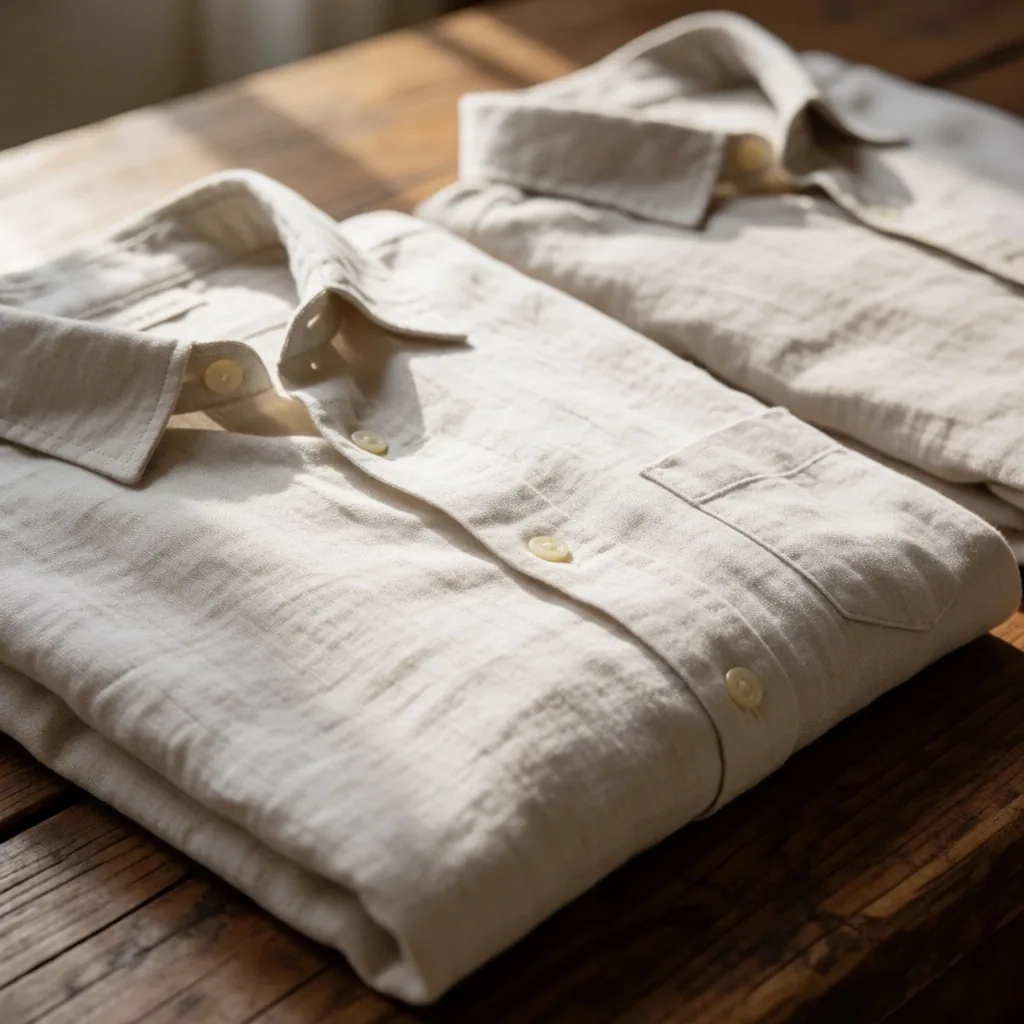
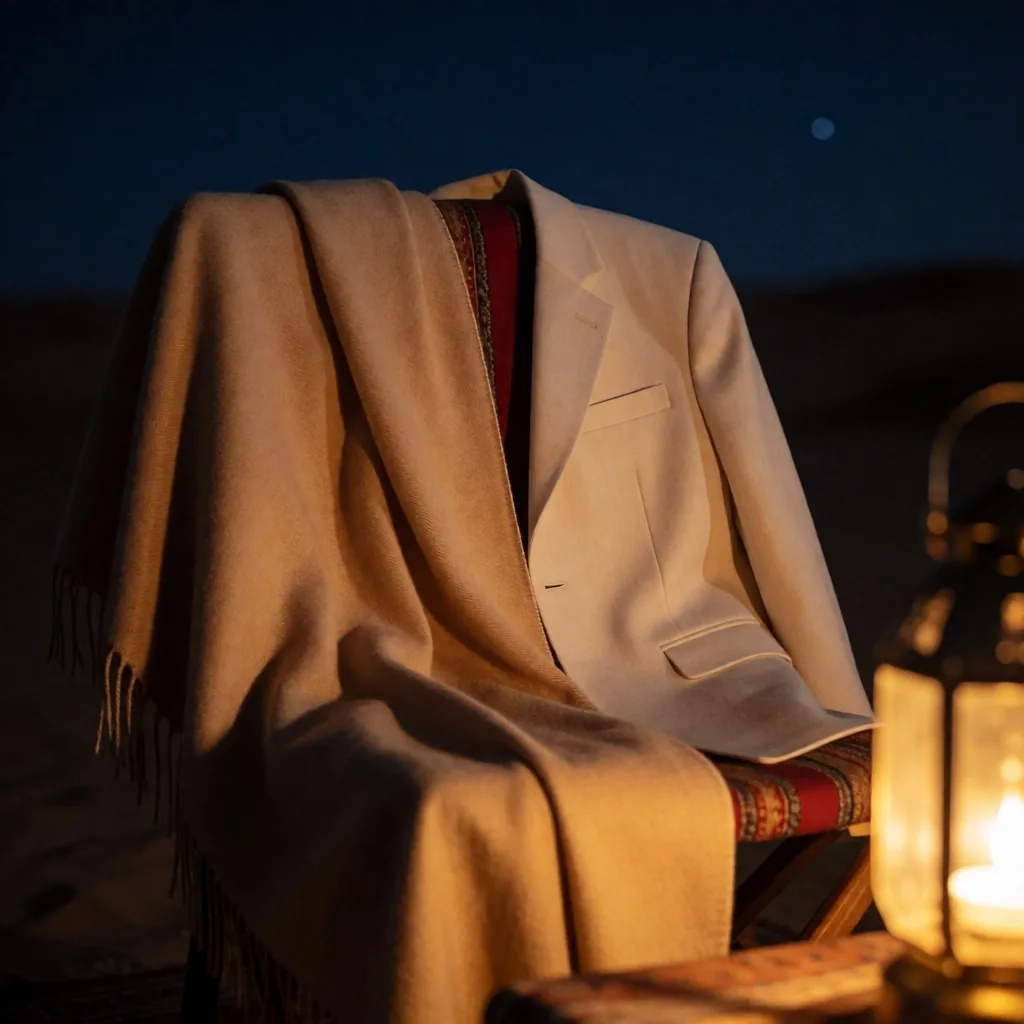
The most important consideration for your wardrobe is the material. Natural fibers like linen and light cotton are superior to synthetics because they allow the skin to breathe and help wick away moisture. Darker colors may absorb more heat, so many experienced travelers opt for lighter shades.
Selecting loose-fitting garments not only adheres to local social norms but also creates a personal microclimate of moving air around the body. That circulating air is what keeps the skin from overheating when ambient temperatures climb past forty degrees. Tight synthetic clothing traps heat and moisture against the skin, which can lead to discomfort and irritation within an hour of being outdoors. The difference between a breathable cotton tunic and a fitted polyester top is felt immediately on the first long walk through an open-air market or along a coastal promenade.
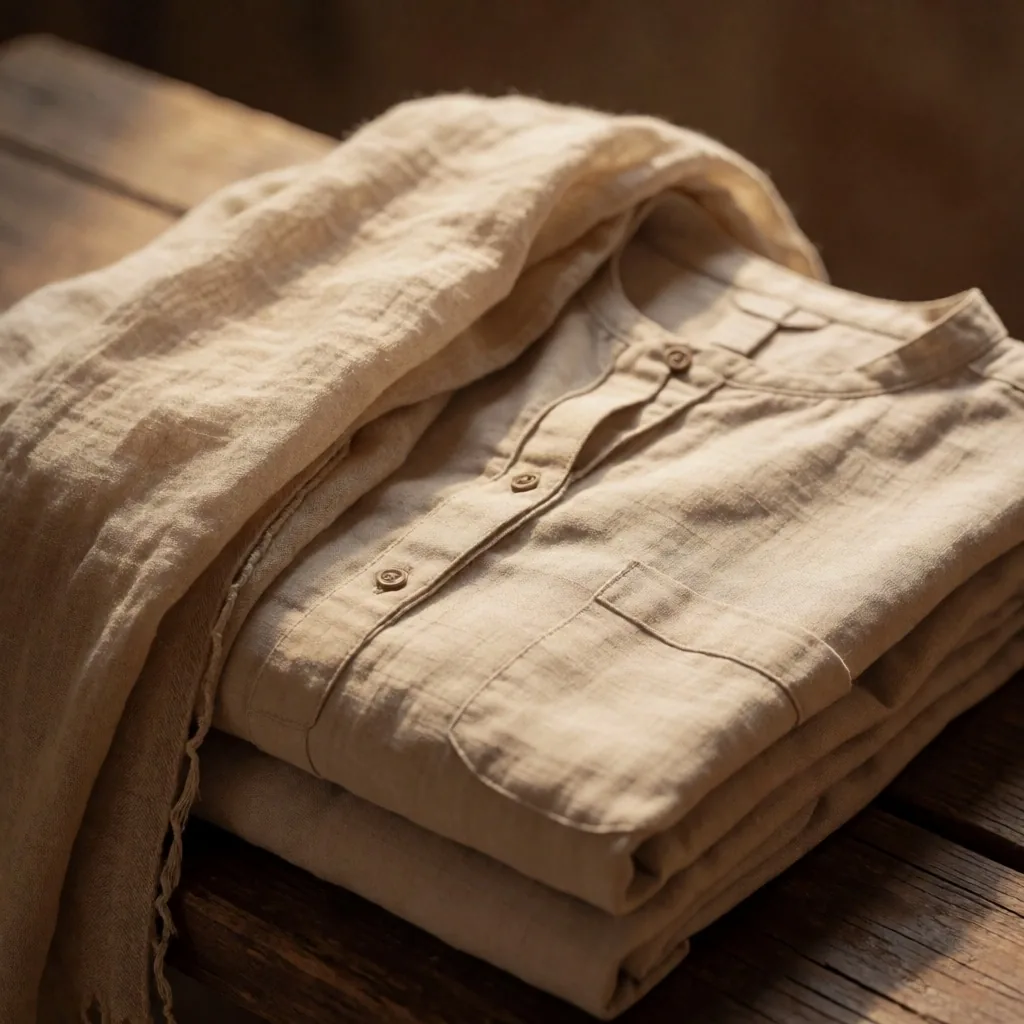
As a practical SA travel guide point, pack more natural-fiber garments than you think you will need. Daily laundering is common in the region, and fabrics that dry quickly overnight — like linen blends — give you a rotating wardrobe without carrying excess weight. Synthetics have their place for activewear, but for everyday movement in the heat, natural fibers remain the better choice.
- +Linen shirts and trousers — loose weave, fast drying
- +Light cotton tunics in white, sand, or pale tan
- +Moisture-wicking socks for long walks
- +Wide-leg trousers for air circulation
- —Heavy polyester or nylon in dark shades
- —Fitted clothing that clings to the skin
- —Denim and heavyweight cotton for daytime
- —Black or deep navy absorbing midday heat
Sun Protection Beyond the Basics
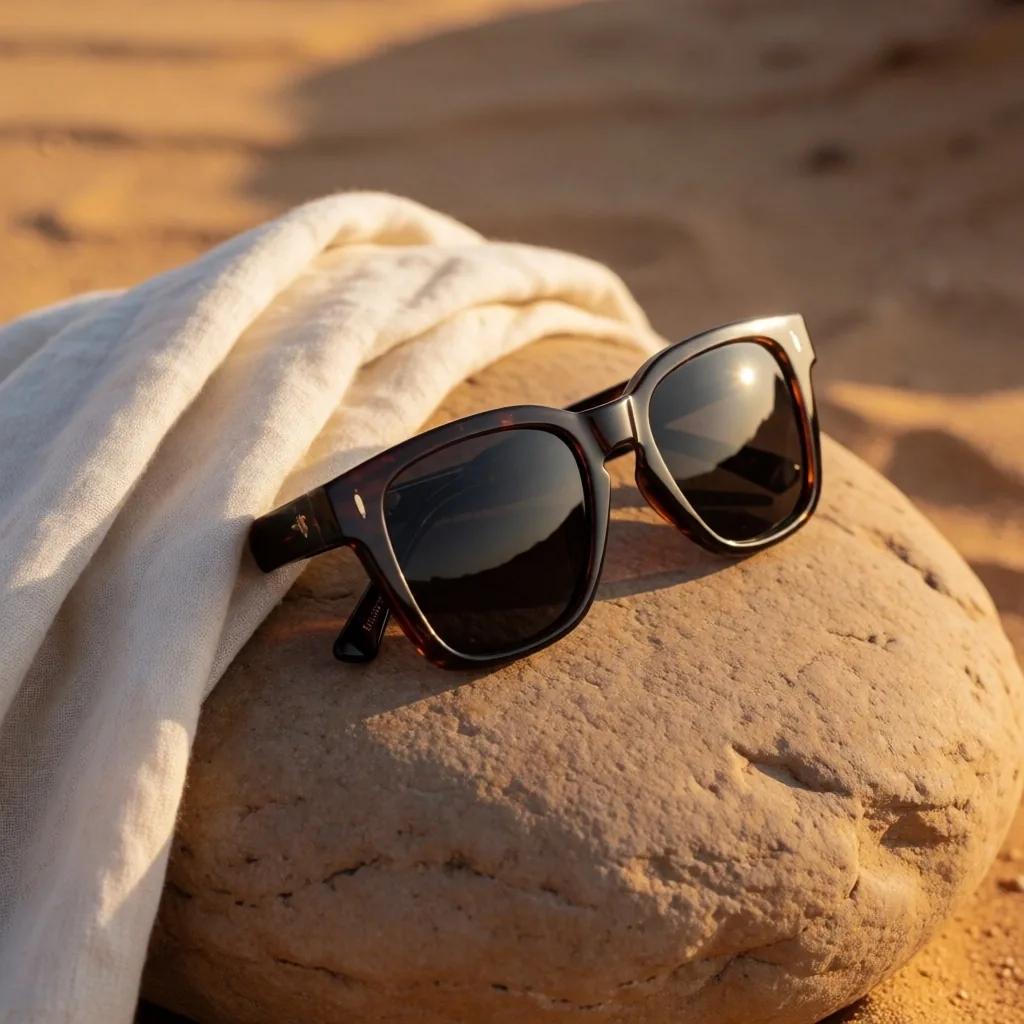
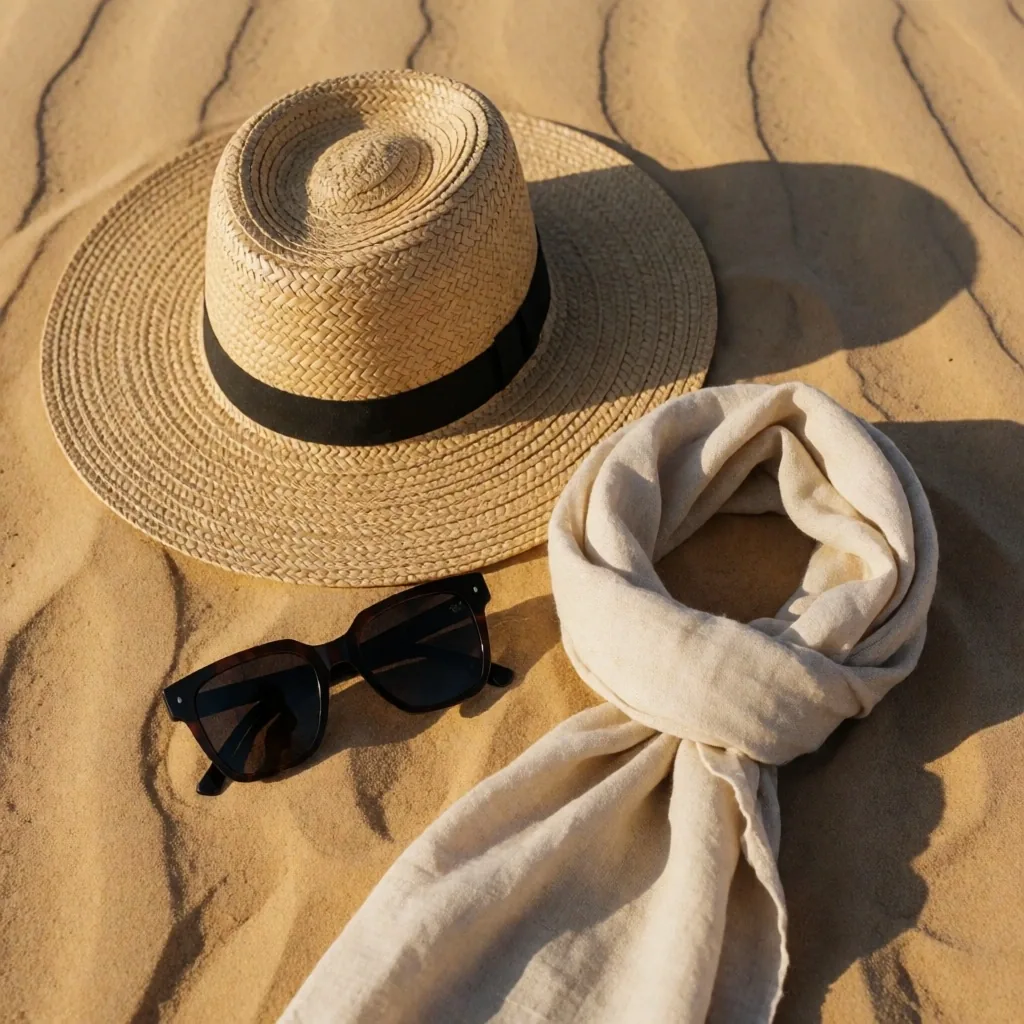
The sun in this region is intense, and standard sunscreens are often not enough for full-day exposure. We recommend packing high-quality UV-rated clothing, including wide-brimmed hats and polarized sunglasses to protect against glare from the sand and pavement.
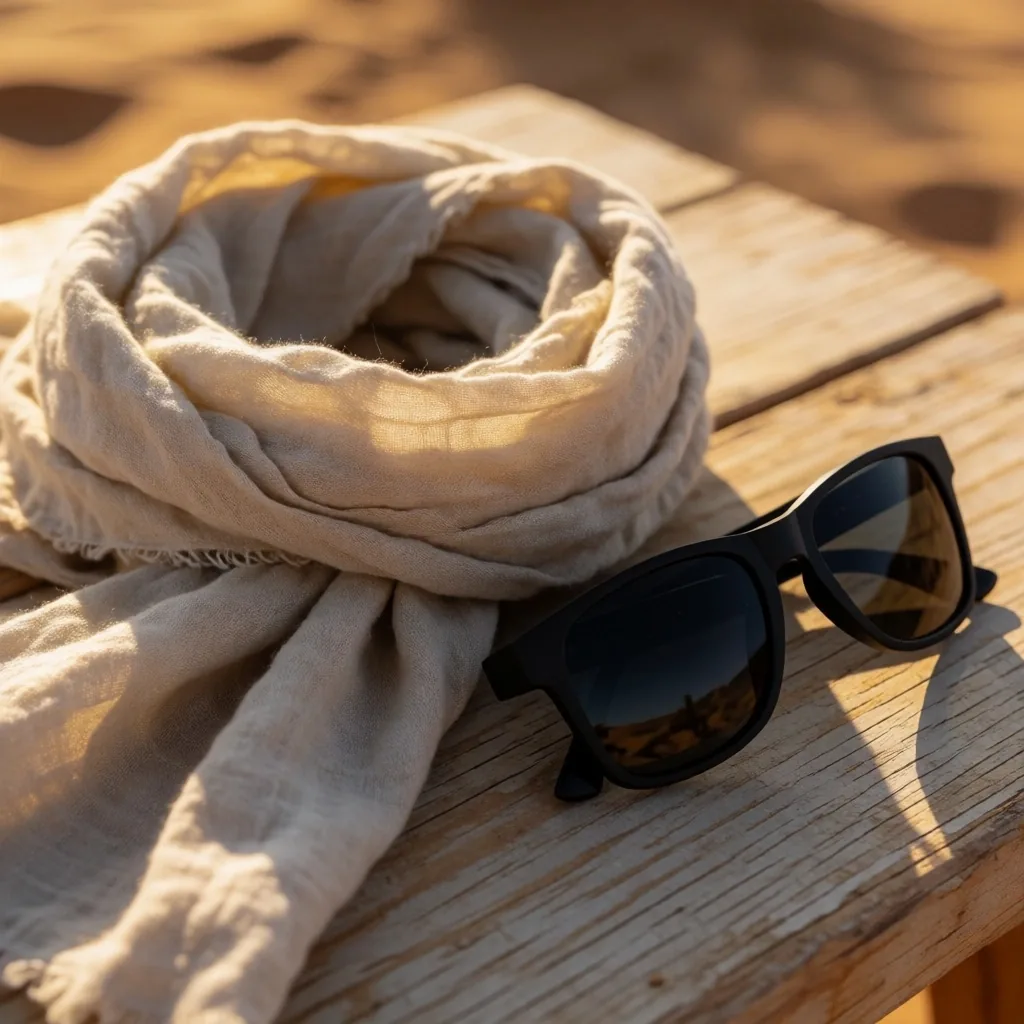
Lightweight scarves or wraps are highly versatile, providing shade for the neck and shoulders or protection during a sudden dust storm. These items are indispensable for anyone following an SA travel guide. A scarf can be repositioned throughout the day — draped over the head during peak hours, wrapped around the neck when walking between buildings, or pulled across the lower face when wind picks up fine particles from the ground.
The reflective quality of sand and light-colored pavement means UV exposure comes from below as well as above. Sunglasses with full UV filtering and a hat with at least a three-inch brim reduce the cumulative load on your eyes and skin. Reapply sunscreen every two hours if you are outdoors, and pay attention to the ears, the back of the neck, and the tops of the feet — areas commonly missed.
Footwear for Diverse Terrains
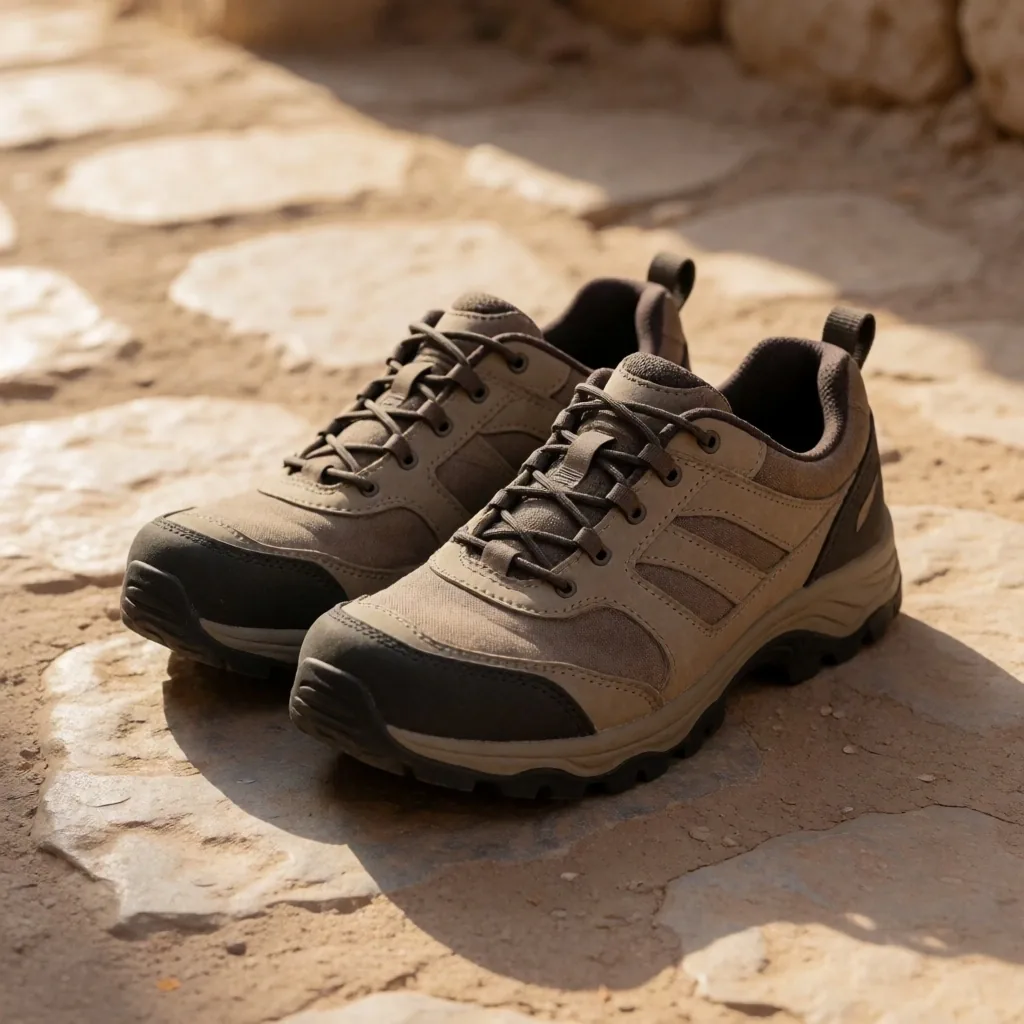
Whether you are walking on polished city floors or uneven desert paths, your footwear must be durable and breathable. Closed-toe shoes are generally preferred for long walks to protect against hot sand and debris. However, high-quality sandals are common for casual urban movement and allow for better ventilation. If you plan on exploring hilly or rocky areas, sturdy boots with ankle support are a necessary addition to your luggage.
Polished City Floors
Air-conditioned malls, polished marble walkways, and covered urban corridors demand comfortable, breathable footwear. Closed-toe shoes with cushioned soles handle the hard surfaces best. Quality sandals work for shorter transitions between indoor spaces.
Desert Paths
Loose sand, fine gravel, and sun-baked ground require full foot coverage. Closed-toe shoes prevent burns from hot sand and keep fine particles out. Avoid thin soles — the ground itself transfers heat upward through the footbed.
Rocky & Hilly Ground
Elevated terrain with loose rock and uneven footing demands ankle support. Sturdy boots prevent twists on irregular surfaces and offer better grip on stone. Break them in before you arrive — new boots on rocky ground cause blisters within hours.
Pack at least two pairs so you can rotate daily. Shoes that have aired out overnight last longer and resist odor buildup in the heat. A pair of lightweight sandals for evenings or indoor use rounds out a practical three-pair kit.
Electronics and Power Stability
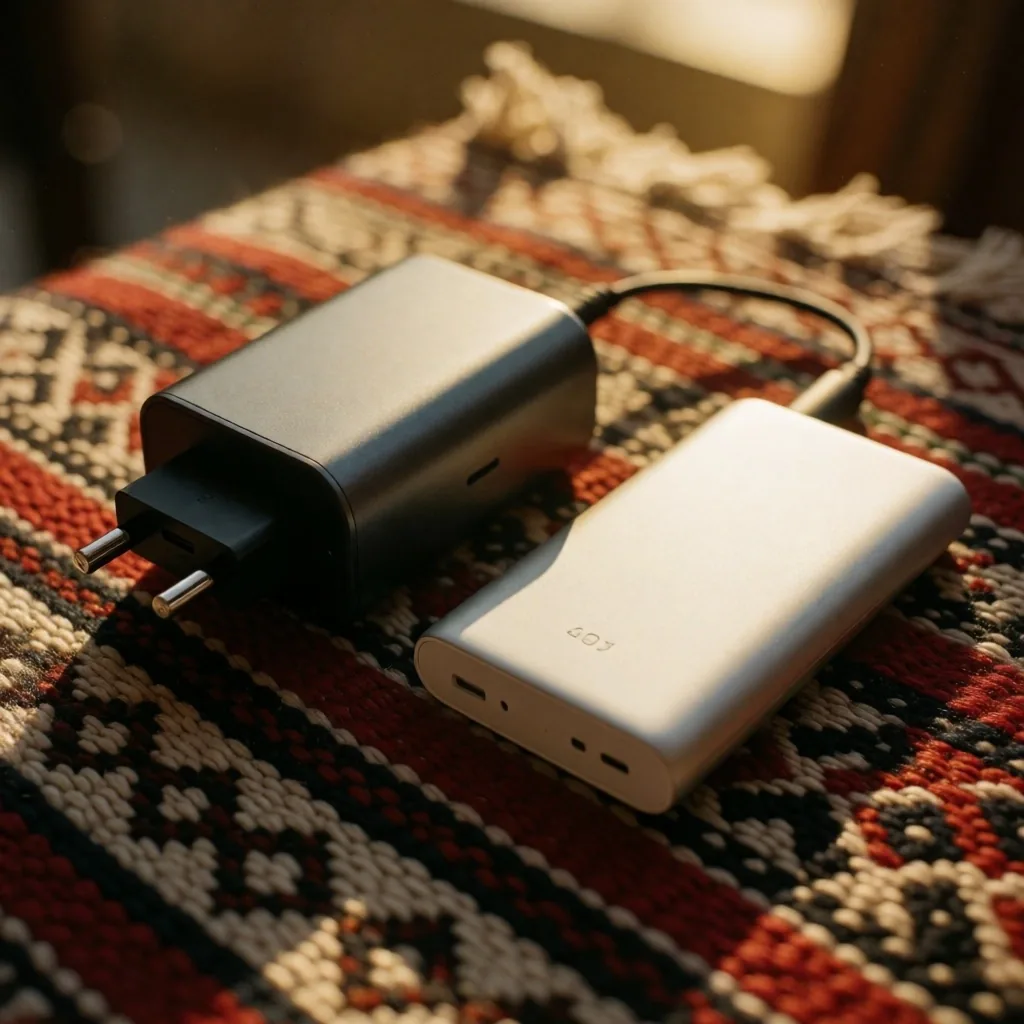
The electrical grid in the region typically uses a specific plug type, and bringing a universal adapter is a practical step for any traveller into Saudi Arabia. Power banks are also essential, as the heat can drain mobile device batteries faster than usual.
Ensure your electronics are kept in insulated pouches to prevent overheating when outdoors. A phone left on a car dashboard or in a closed bag under direct sun can shut down within minutes and, in some cases, sustain permanent battery damage. Keeping devices in shaded compartments during transit preserves their function for when you actually need navigation or communication.
Having a reliable way to keep your devices charged is crucial for maintaining contact and accessing your travel guides on the go. Carry at least one power bank rated for a full phone charge, and keep a spare charging cable in a separate dry-bag. Fine dust infiltrates charging ports over time — a small port plug or a resealable pouch for the phone itself prevents connection issues.
- ▸Universal adapter matching regional plug type
- ▸Power bank, minimum one full phone charge
- ▸Insulated pouch or shaded case for devices
- ▸Spare charging cable in a dry-bag
- ▸Port plugs to keep dust out of connectors
Personal Health and Hydration Tools
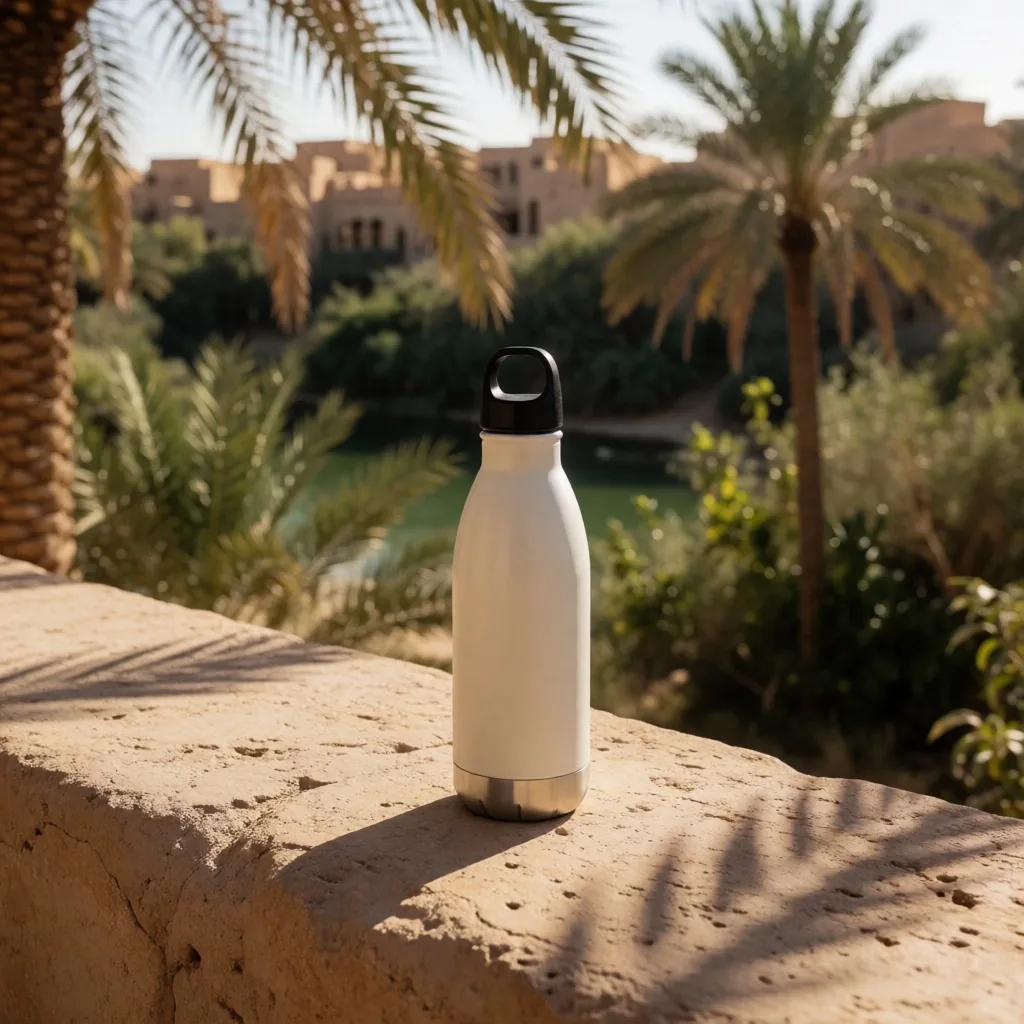
Staying hydrated is a constant task, and carrying a reusable, insulated water bottle is a must. Many public areas provide water stations, and having your own container reduces waste and ensures you always have a drink at hand.
The body loses moisture faster than thirst signals in dry heat. By the time you feel thirsty, mild dehydration may have already set in. Sip water at regular intervals rather than drinking large amounts at once. Adding electrolyte rehydration salts to one bottle per day replaces minerals lost through sweat, particularly sodium and potassium, which are difficult to recover from food alone when appetite drops in the heat.
Packing a basic first-aid kit with skin moisturizers is recommended. The dry air can affect the skin and respiratory system, so saline nasal sprays can also provide relief. A small tube of unscented moisturizer applied after evening showers prevents the tight, cracked feeling that builds over consecutive dry days.
- ▸Insulated water bottle, one liter minimum
- ▸Electrolyte rehydration salt sachets
- ▸Unscented skin moisturizer
- ▸Saline nasal spray for dry air relief
- ▸Basic adhesive bandages and antiseptic wipes
Modesty and Cultural Respect in Dress
Respecting local customs is a core part of being a mindful traveller into Saudi Arabia. This means packing clothing that covers the shoulders and knees for both men and women. For women, carrying a light shawl is a practical way to adapt to different environments quickly.
While the rules are evolving, dressing conservatively is always appreciated and ensures that you can move through all public spaces without causing discomfort to yourself or others. The principle is simple: when you are uncertain about a setting, choose the more covered option. A long-sleeved shirt over a t-shirt, or a full-length skirt over a knee-length one, takes seconds to adjust and removes any worry about entering a mosque, a traditional market, or a family-oriented restaurant.
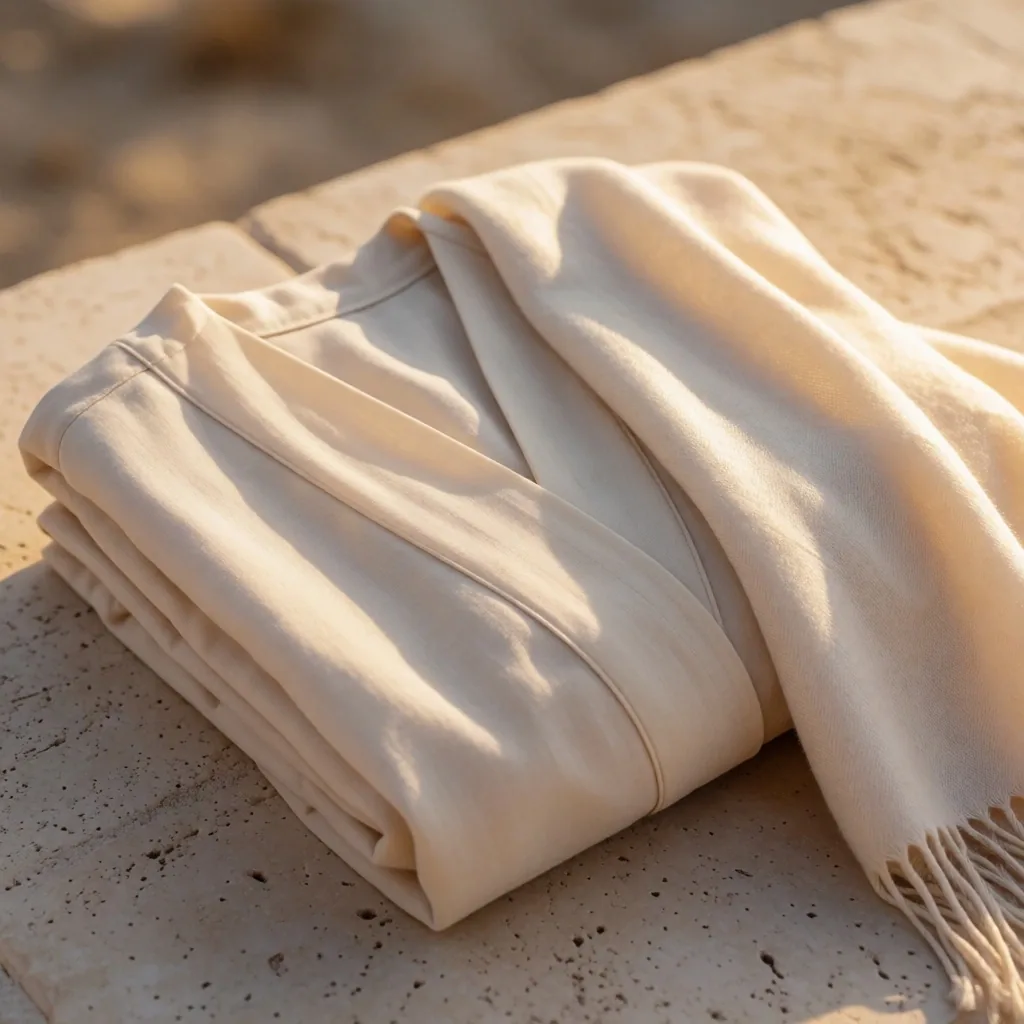
The light shawl earns its place in your bag every single day. It works as a sunshade, a dust barrier, a shoulder cover for women entering conservative spaces, and a wrap against evening air-conditioning. Among all the items in this guide, it may be the single most useful object you carry. Travel guides for the region consistently highlight this as the one item no traveller should leave behind.
Organization for Day Trips
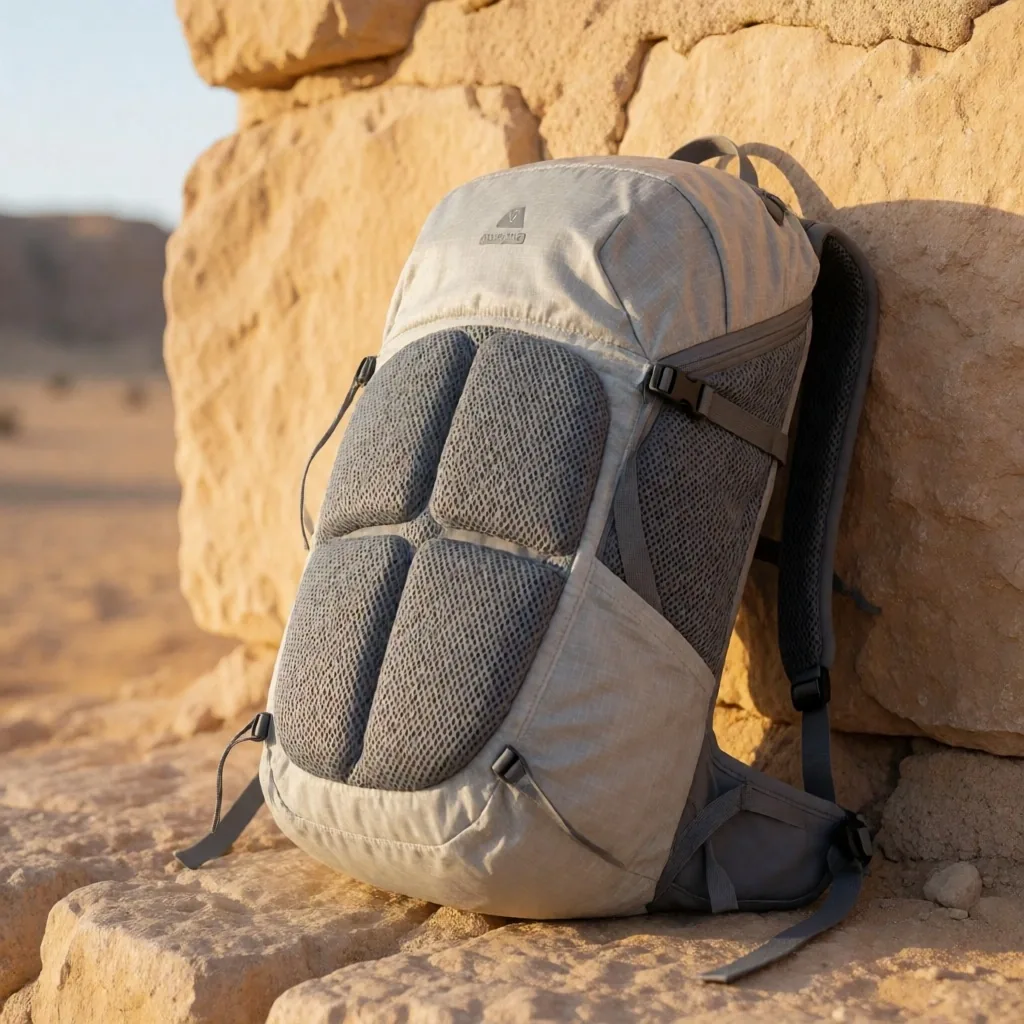
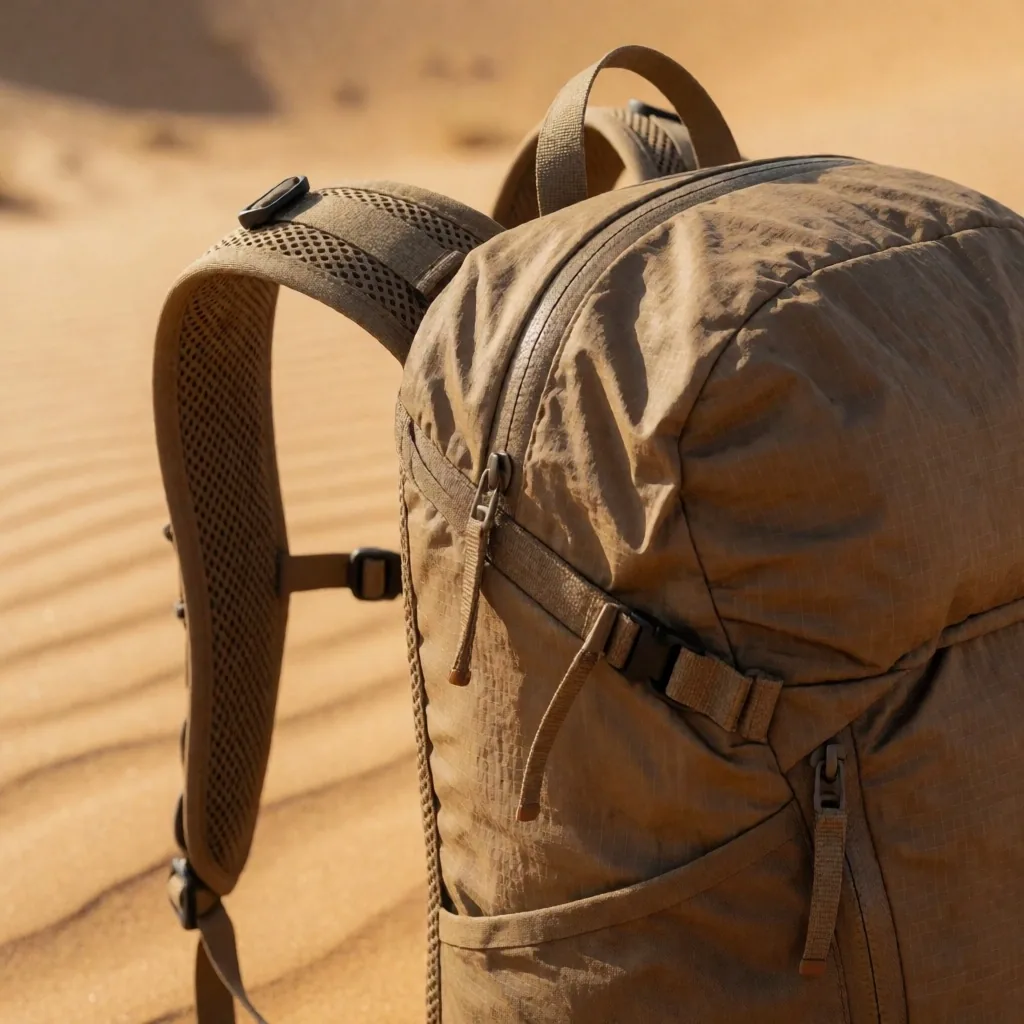
A lightweight, ventilated backpack is the best way to carry your daily essentials. Look for bags with air-mesh back panels to prevent excessive sweating while walking. Within your bag, use dry-sacks or zip-lock bags to protect sensitive items from fine dust and sand, which can penetrate even the smallest openings.
Organizing your gear this way makes it easier to find what you need during transit. Separate your electronics, first-aid supplies, and snacks into distinct pouches rather than tossing everything into one main compartment. The few minutes spent sorting at your accommodation each morning saves far more time spent rummaging in the heat.
Fine dust is the hidden challenge of the region. It finds its way into zippers, charging ports, and fabric seams. A backpack with a roll-top closure or a dust flap over the main zipper adds a meaningful barrier. Shake the bag out each evening and wipe down the zipper tracks with a dry cloth to keep them moving smoothly.
Nighttime Layers
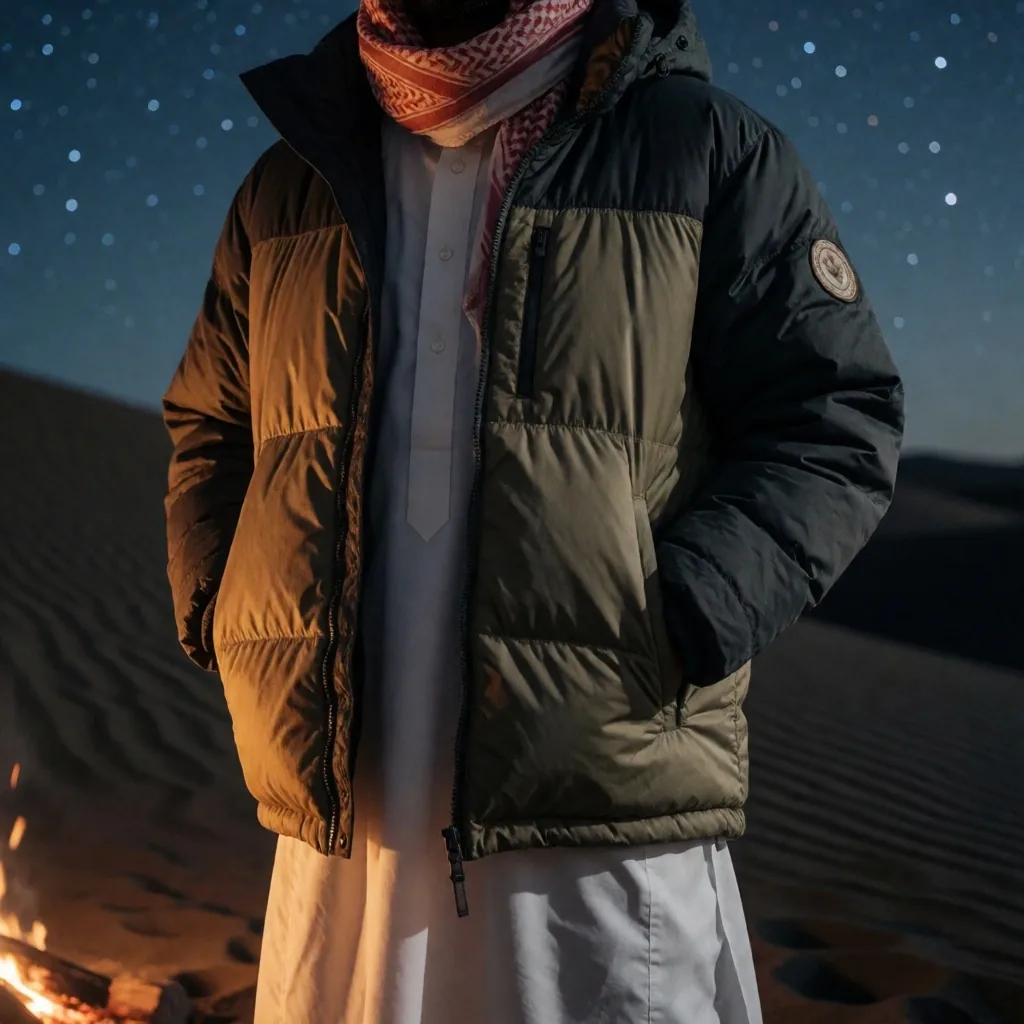
It is a common mistake to assume it is always hot. In the winter or in the high desert, temperatures can drop significantly once the sun goes down. Packing a medium-weight jacket or a fleece sweater is vital for evening comfort.
This contrast in temperature is one of the most surprising aspects for many visitors, making versatile layering the most effective packing strategy for the region. A day that begins at thirty-five degrees can end at twelve degrees in the highlands, and even coastal cities experience a sharp evening drop during the cooler months from November through February.
The layering system works best when each piece functions independently. A breathable base layer for midday heat, a light long-sleeve shirt for sun protection, and a fleece or medium jacket for the evening — each item has a job, and together they cover a temperature range of twenty degrees or more. This approach takes up less luggage space than packing separate outfits for hot and cold conditions.
Breathable cotton or linen
Midday heat, 30°C+
Light long-sleeve shirt
Sun protection, 20–30°C
Fleece or medium jacket
Evening drop, 10–18°C
Beyond the Packing List
The items in this guide cover the physical preparation for the regional environment. Equally important is understanding the cultural landscape you are entering — how to dress, how to interact, and what social norms shape daily life. Our travel guides continue with practical preparation advice and cultural context that complements everything you carry.
Nazeelnet Saudi Guides is an informational resource. We do not process transactions or handle reservations. Our role is to help you arrive prepared. If you have specific questions about what to pack for a particular season or region, reach out through our contact page.
We answer preparation questions from travelers. Reach our team in Al Khobar during working hours, Sunday through Thursday.
Contact Our Team