
SA Travel Guide · Nature & Landscapes
Regional Flora and Natural Vistas
The natural world of the Arabian Peninsula is a study in resilience and stark beauty. From the shifting sands of the great deserts to the verdant pockets of highland greenery, the variety of landscapes is surprising to many. This guide explores the environmental types found in the region, offering a traveller into Saudi Arabia a glimpse into the physical world they will encounter.
Orientation
The Land Beneath The Sand
Our focus is on the permanent features of the land and the life forms that have adapted to thrive in these conditions. The region holds a greater range of environmental types than most travelers expect. Great sand plains shift daily under the wind. Turquoise coastlines shelter mangrove nurseries. Mountain escarpments rise cool enough for winter frost. Oases mark where underground water reaches the surface and date palms form dense canopies.
These travel guides describe each environmental type in plain terms so you can recognize what you are looking at and understand the forces that shaped it. No branded names. No institutional labels. Just the physical world, the plants, the wildlife, and the weather patterns that define a traveller into Saudi Arabia.
Sand Plains
Coastal Ecosystems
Highland Ranges
Oasis Life
Desert Flora
Wildlife & Geology
Chapter 01 / Sand Plains
The Majesty of the Sand Plains
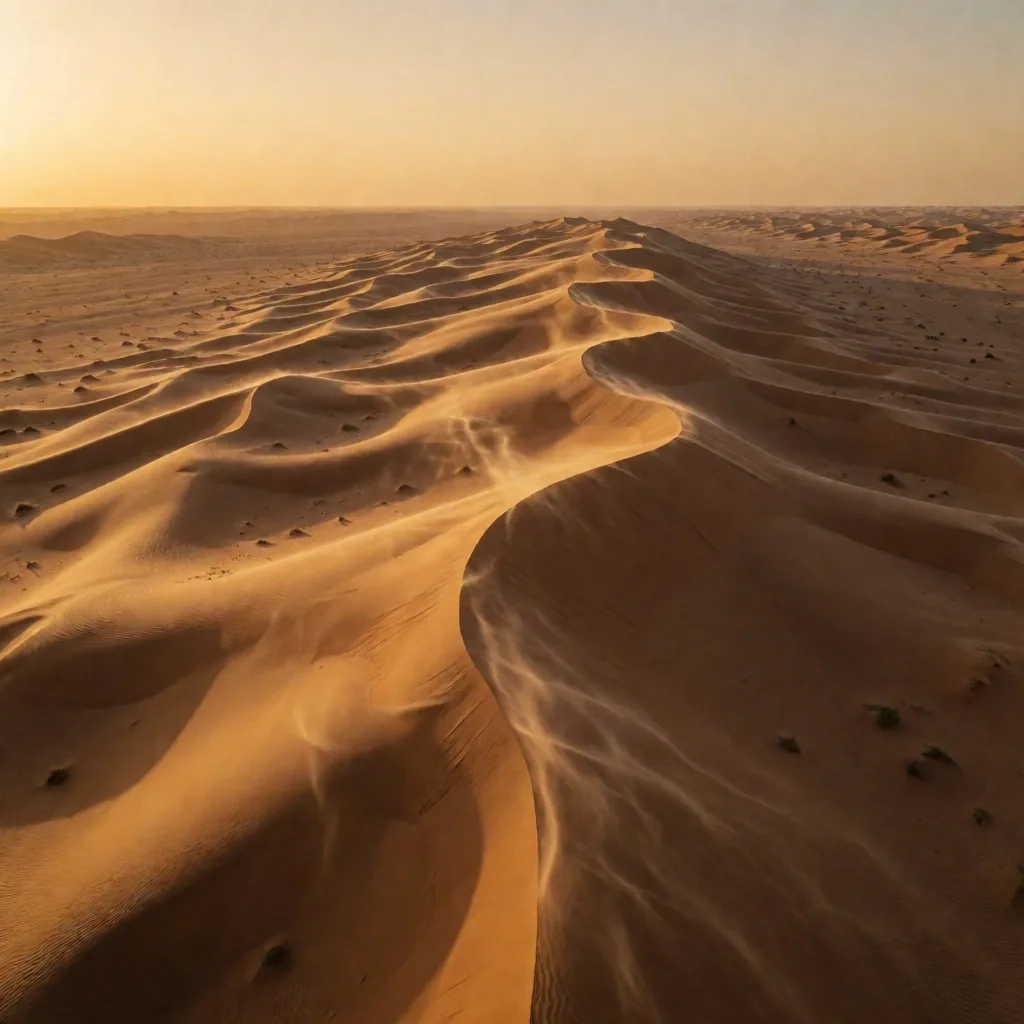
The desert is the most iconic landscape of the region, characterized by vast expanses of orange and gold dunes. These formations are constantly reshaped by the wind, creating a living topography that changes daily. While they may appear barren, these sands support a variety of hardy shrubs and insects that have evolved unique ways to store water.
Watching the shadows lengthen over the dunes at sunset is one of the most profound experiences for any nature lover. The color of the sand shifts from pale cream to deep amber and finally to a bruised violet as the light drops. Dune crests catch the last direct sun while the valleys between them fill with blue shadow. Wind ribbing on the sand surface, created by the previous night's air currents, records a temporary map that the next storm will erase.
For a traveller into Saudi Arabia, the sand plains are a reminder that what looks empty is often full of subtle life. Tracks in the sand tell of beetles, lizards, and small rodents that emerge after dark. Hardy shrubs with silver-grey leaves reflect sunlight and reduce water loss. Their roots may reach down several meters to tap deep moisture. The key to reading this landscape is to slow down and look at the small evidence left on the surface.
Chapter 02 / Coastal
Coastal Ecosystems and Marine Life
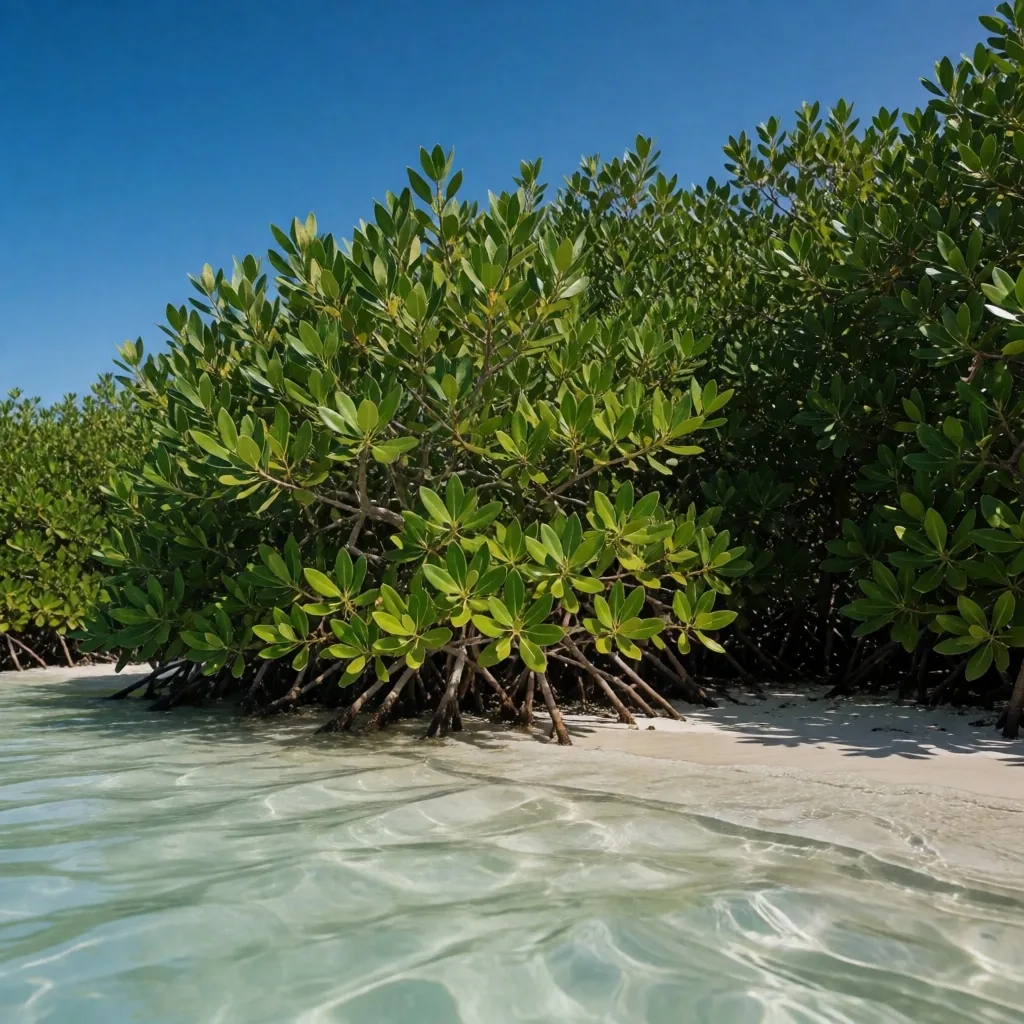
The coastline offers a dramatic contrast to the interior, with turquoise waters meeting white sandy beaches. Mangrove forests can be found in certain coastal stretches, acting as vital nurseries for marine life and protecting the shoreline from erosion.
These areas are home to a diverse range of birds and fish, making them excellent spots for quiet observation. The interaction between the sea and the desert creates a unique environmental belt that is rich in biodiversity. Wading birds stalk the shallows at dawn, while crabs leave threaded tracks across the wet sand as the tide recedes.
Chapter 03 / Highlands
Highland Ranges and Escarpments
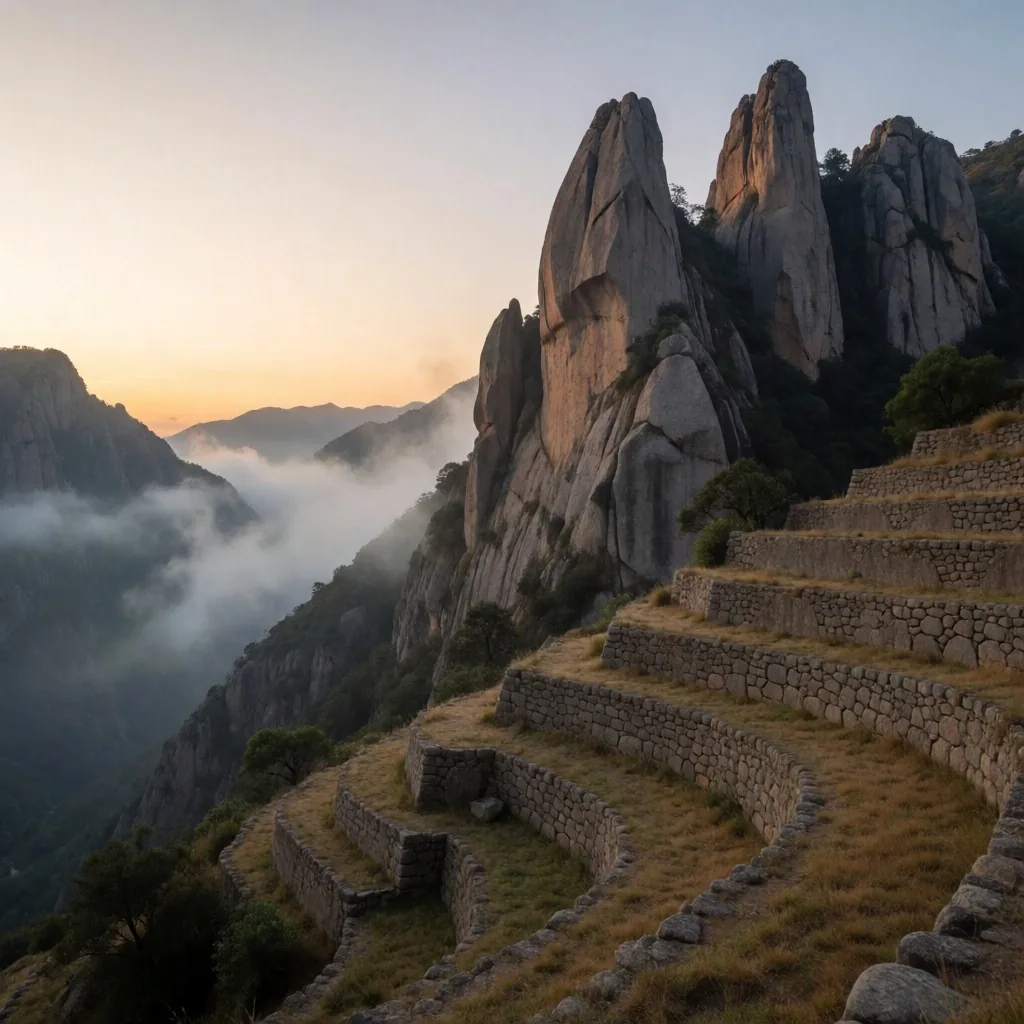
In the western and southern parts of the region, the land rises into impressive mountain ranges. These peaks can reach significant heights, offering cooler temperatures and even occasional snowfall in winter. The slopes are often terraced for traditional agriculture, where hardy crops are grown in the thin mountain soil.
These highlands provide a completely different perspective on the region's geography, far removed from the heat of the plains. Morning mist clings to the ridgelines before burning off by midday. Terraces built over generations hold soil and water long enough to sustain small plots of grain and fruit trees.
Chapter 04 / Oasis
Oasis Life and Natural Springs
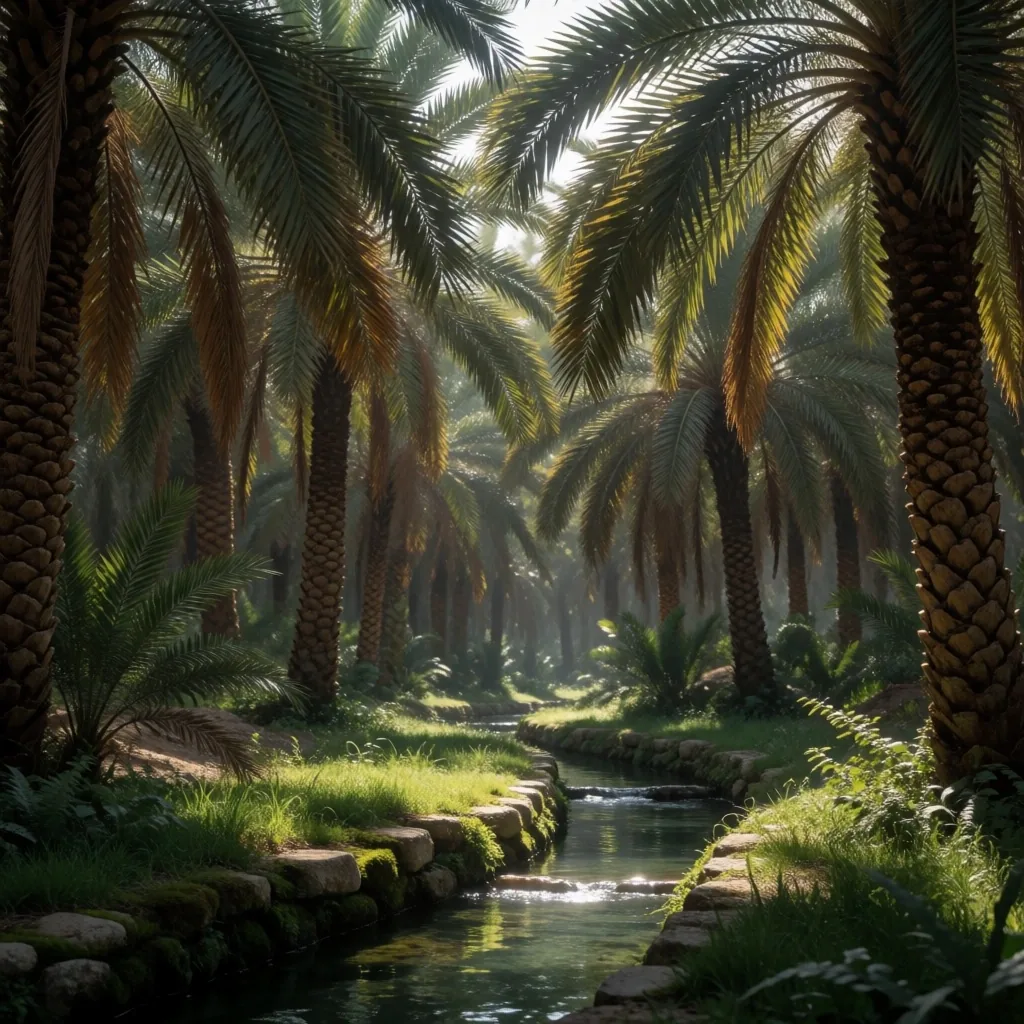
An oasis is a miracle of nature, where underground water sources reach the surface and allow for lush vegetation. These spots have been the centers of human life for millennia, providing shade and sustenance in the heart of the desert. Date palms are the dominant feature here, creating a dense canopy that shelters smaller plants and wildlife.
The palms themselves are engineering marvels. A single date palm can survive temperatures that would kill most trees, drawing water from deep aquifers through roots that probe far below the surface. The shade beneath the canopy reduces ground temperature by several degrees, creating a micro-climate where ferns, grasses, and small mammals can survive. The relationship between water, shade, and life is visible here in its most direct form.
For any SA travel guide focused on nature, the oasis is the central image. It shows how the harshest environment can sustain life when water is present, and how human settlement has historically clustered around these natural springs.
Chapter 05 / Flora
Unique Desert Flora
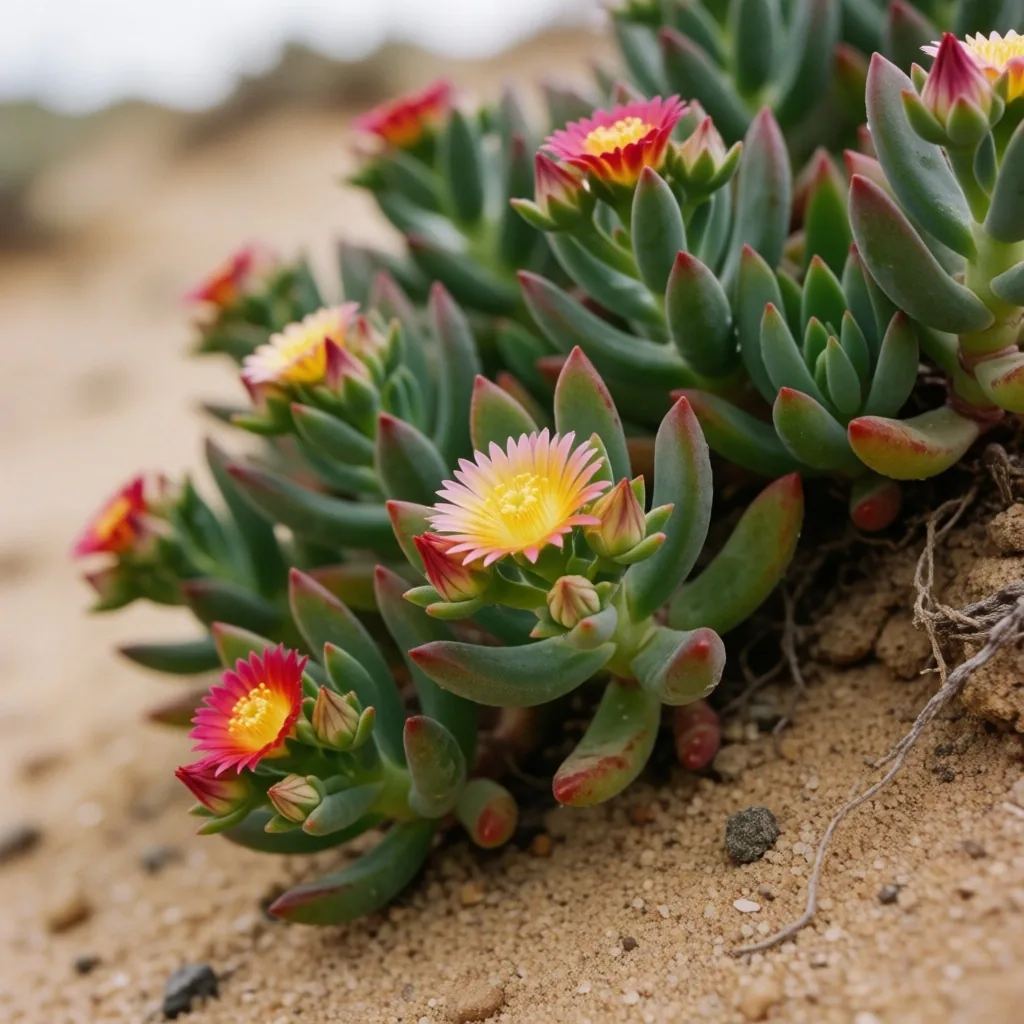
Acacia
Thorny shade providers
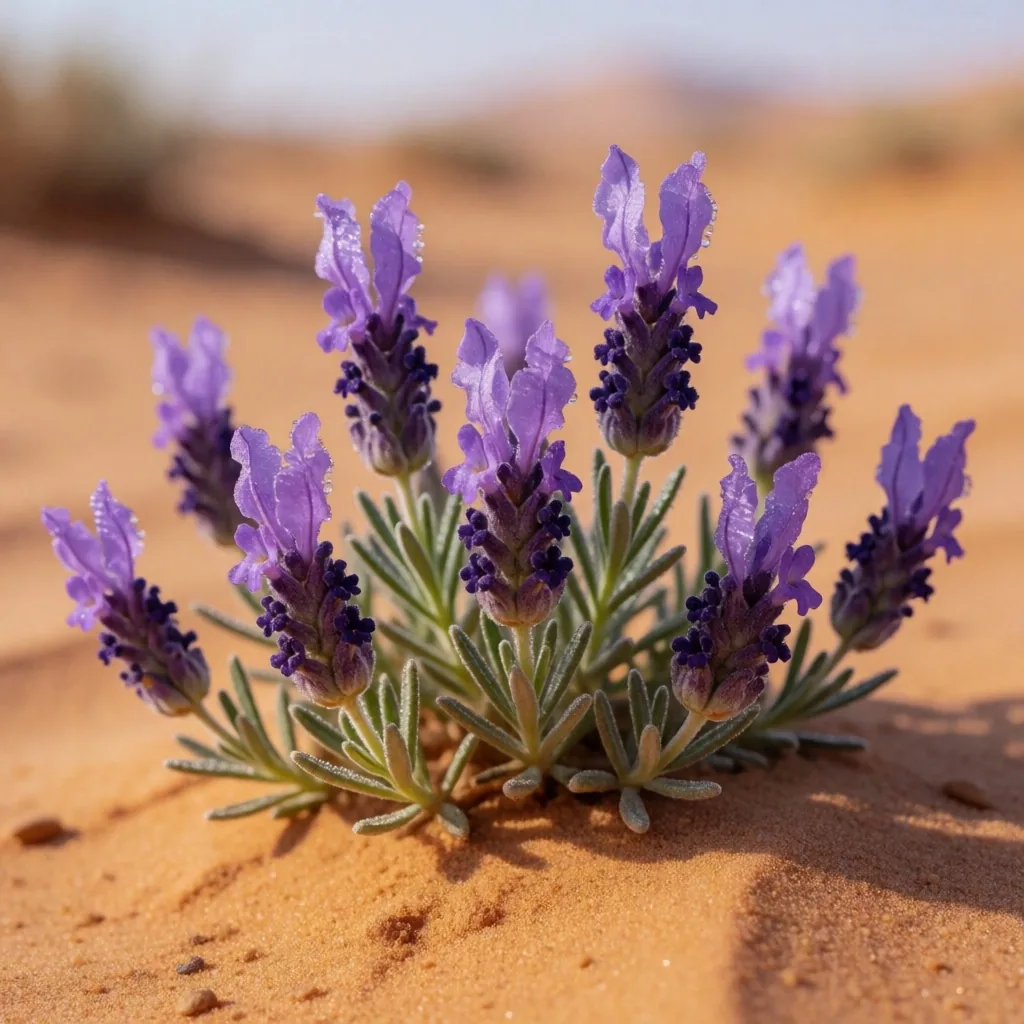
From the thorny acacias that provide minimal shade to the small succulents that bloom after a rare rain, the flora is diverse and specialized. Acacias survive by dropping leaves during the worst heat and drawing moisture from deep groundwater.
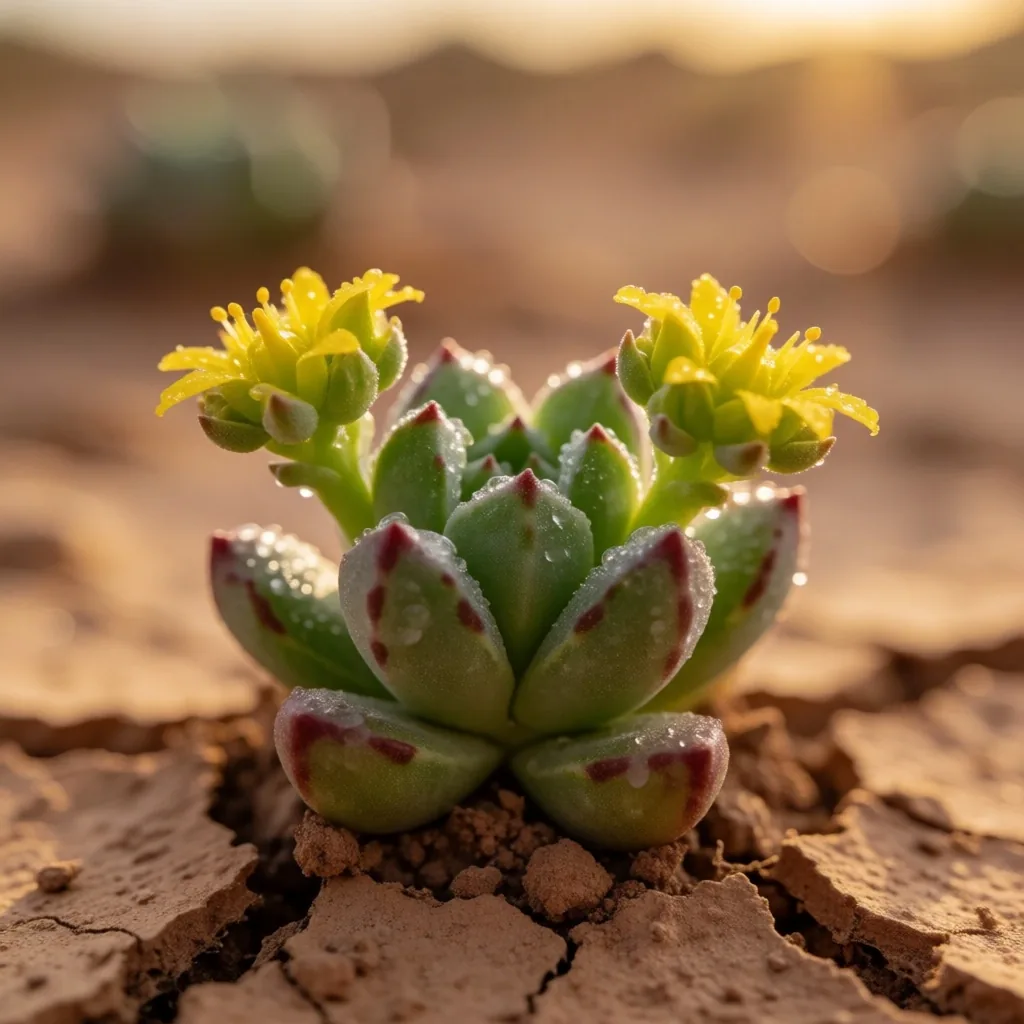
Succulents
Brief bloom after rain
Succulents store water in thick leaves and stems, waiting sometimes for years between rainfalls. When water arrives, they bloom quickly, produce seed, and return to dormancy. Many have medicinal properties known to local communities for generations.
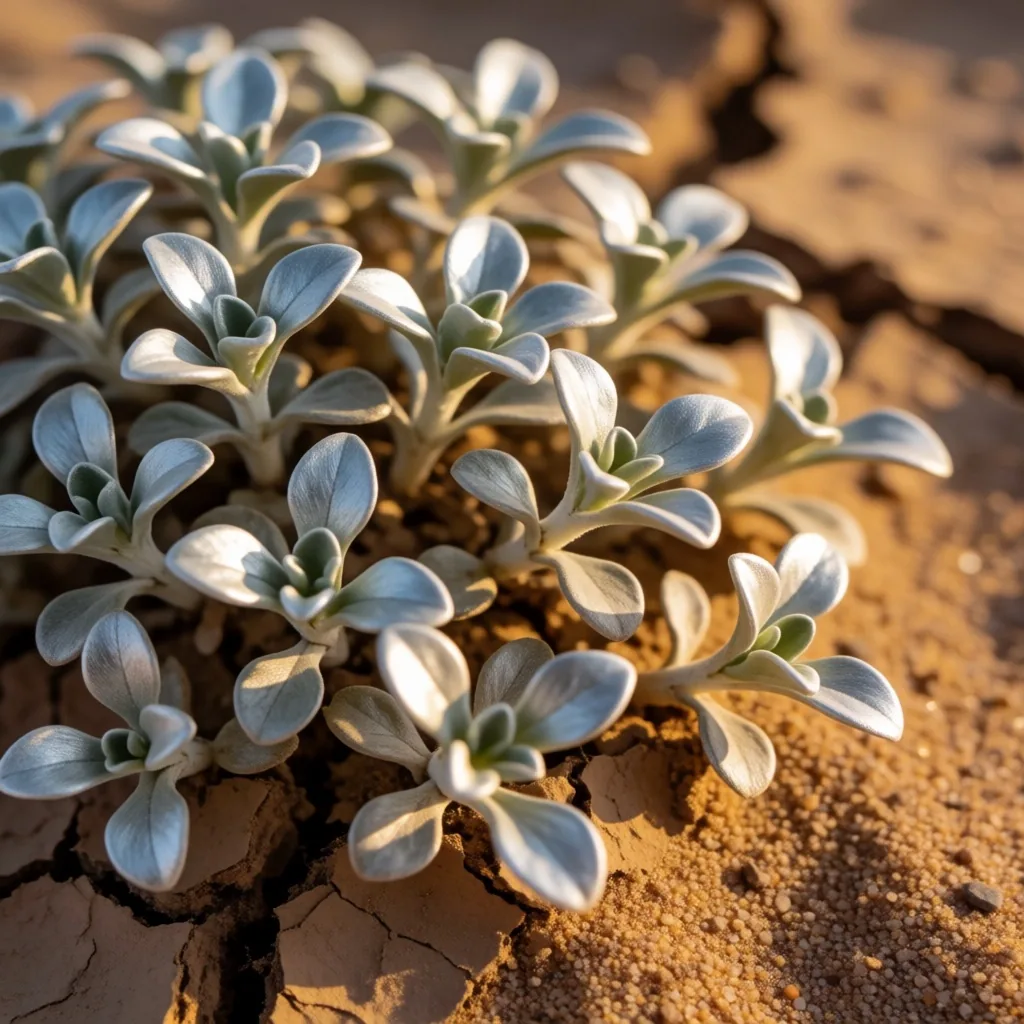
Hardy Shrubs
Silver-leaf survivors
Silver-grey leaf coatings reflect sunlight and reduce water loss. These shrubs often have deep taproots and very small surface leaves. Understanding how these plants function gives a traveller into Saudi Arabia a deeper respect for the tenacity of life.
Many of these plants have medicinal properties that have been known to local communities for generations. Understanding how these plants function gives a traveller into Saudi Arabia a deeper respect for the tenacity of life in extreme environments. Some acacias produce gum used in traditional remedies. Certain succulents are crushed and applied to skin irritation. The knowledge of these plants has been passed down orally, and it remains a living tradition in rural communities.
Chapter 06 / Wildlife
Wildlife of the Plains and Peaks
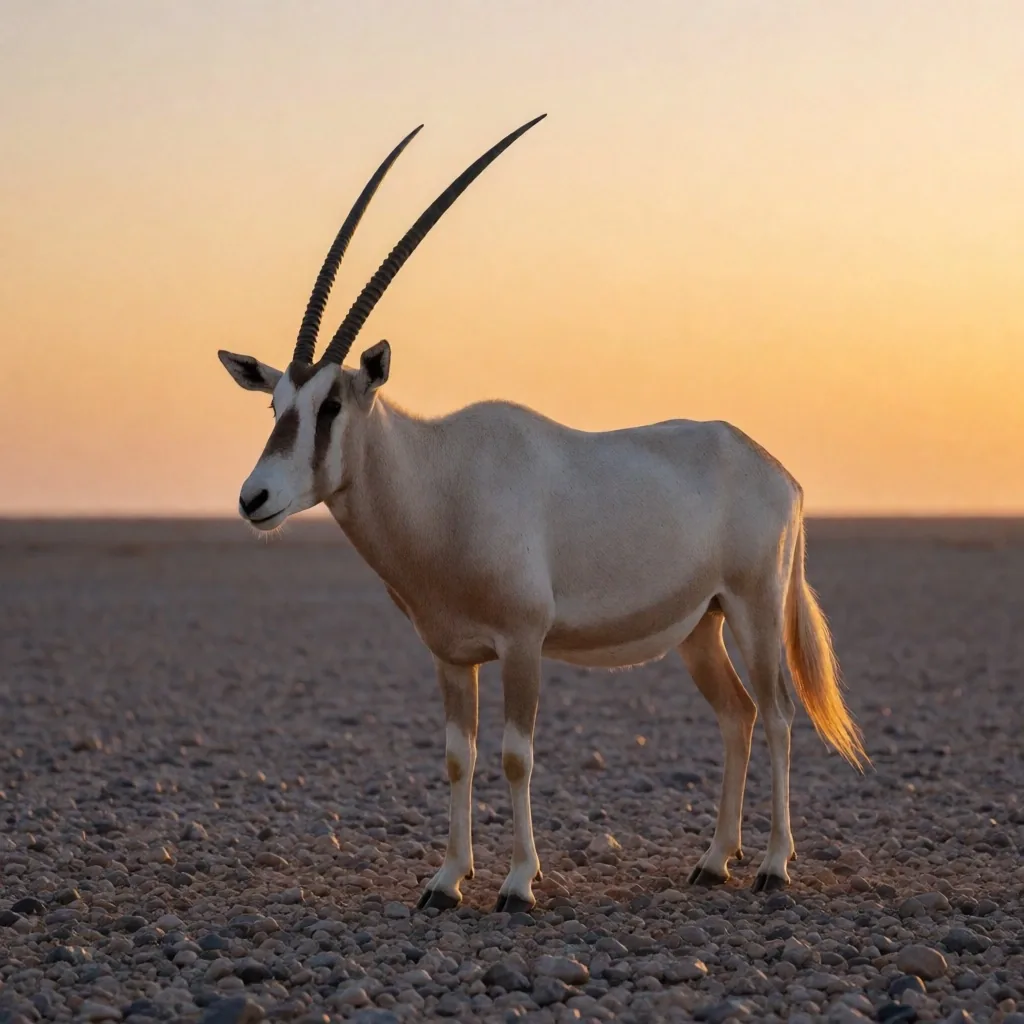
While many animals are nocturnal to avoid the heat, the region is home to several iconic species. The Arabian oryx and various gazelle species can be found in protected areas, while the mountains house baboons and various birds of prey.
Observing these animals in their natural habitat requires patience and often a bit of luck, but it is a rewarding part of any nature-focused trip. Respecting their space and habitat is essential for their continued survival. The oryx, once nearly extinct in the wild, has rebounded through careful conservation efforts. Gazelles are most active at dawn and dusk when the air is cooler. In the highlands, baboons move in family groups along the rocky slopes, and raptors circle on thermal updrafts above the ridges.
Chapter 07 / Geology
Geological Formations and Rock Art
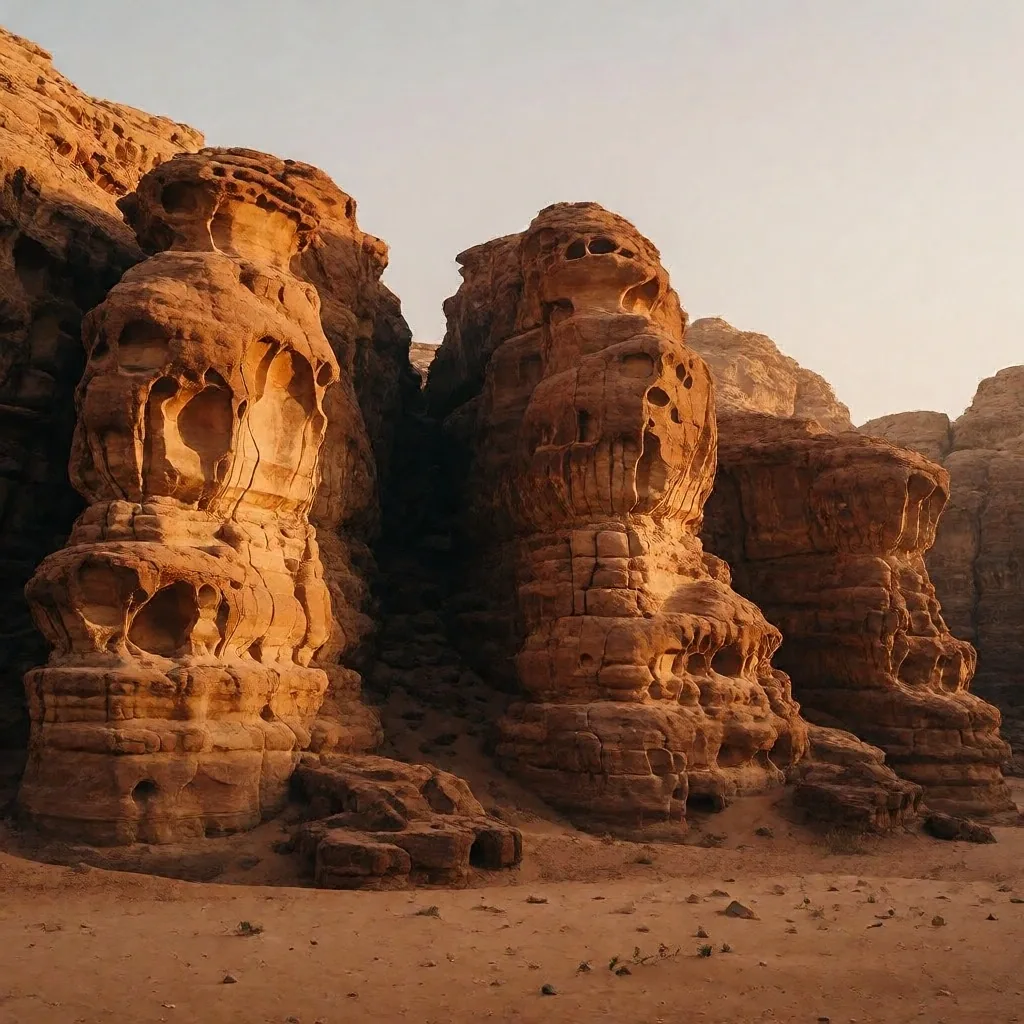
The earth itself tells a story here, with ancient rock formations that have been carved by wind and water over millions of years. In some areas, the stones carry the marks of ancient peoples, with carvings that depict animals and scenes from thousands of years ago.
These sites are a record of the long history of human presence in the region. The sheer scale and variety of the rock types, from basalt to sandstone, make for a fascinating geological study. Sandstone layers record ancient seabeds. Basalt fields are the remains of volcanic activity that ended long ago. The petroglyphs, etched into dark desert varnish on the rock surface, show long-horned cattle, hunting scenes, and figures that predate written history in the region.
Chapter 08 / Seasonal Rain
The Impact of Seasonal Rain
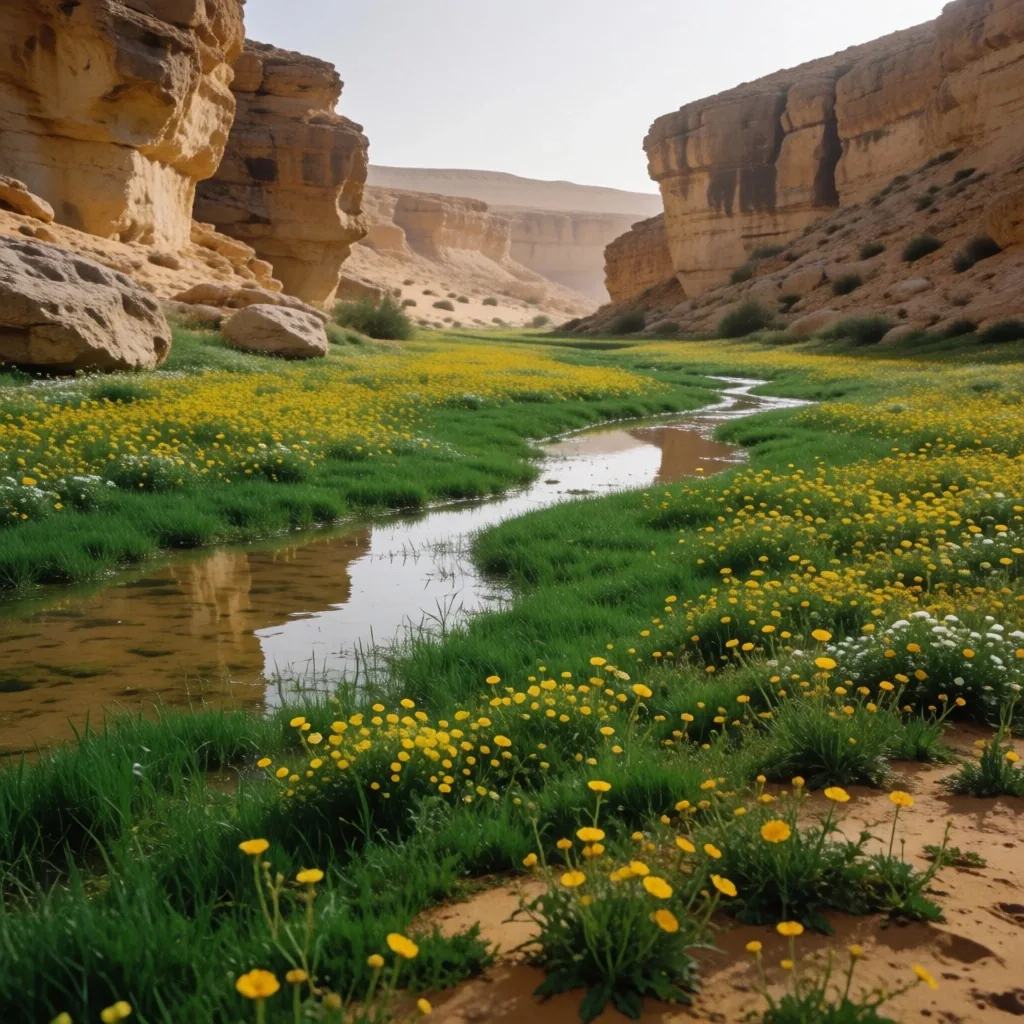
Rain is rare but transformative when it arrives. A heavy downpour can turn a dry wadi into a rushing river in minutes and trigger a green desert phenomenon where dormant seeds sprout all at once. This temporary transformation is a sight to behold, as the landscape is briefly covered in a carpet of green.
Safety Note
Being aware of the power of these seasonal rains is important for safety, as flash floods in low-lying areas can be dangerous. A wadi that has been dry for months can fill with fast-moving water within minutes of a storm, even one that fell many kilometers away. Never camp in a dry riverbed, and move to high ground if you see clouds building upstream.
Continue Your Preparation
From the Land to Your Pack
Understanding the environmental types of the region is the first step. The next is preparing yourself to move through them safely and with respect. These travel guides cover what to carry, how to dress for the climate, and what cultural awareness will make your journey smoother.